
City Life
Chicago's Trending Restaurants in 2026, Neighborhood by Neighborhood
Chicago does not have a single restaurant district. It has dozens, one per neighborhood, and in 2026 the most exciting cooking in the city is owner-operated and rooted in the block it sits on. Here is where a local actually eats, organized the way the city is.
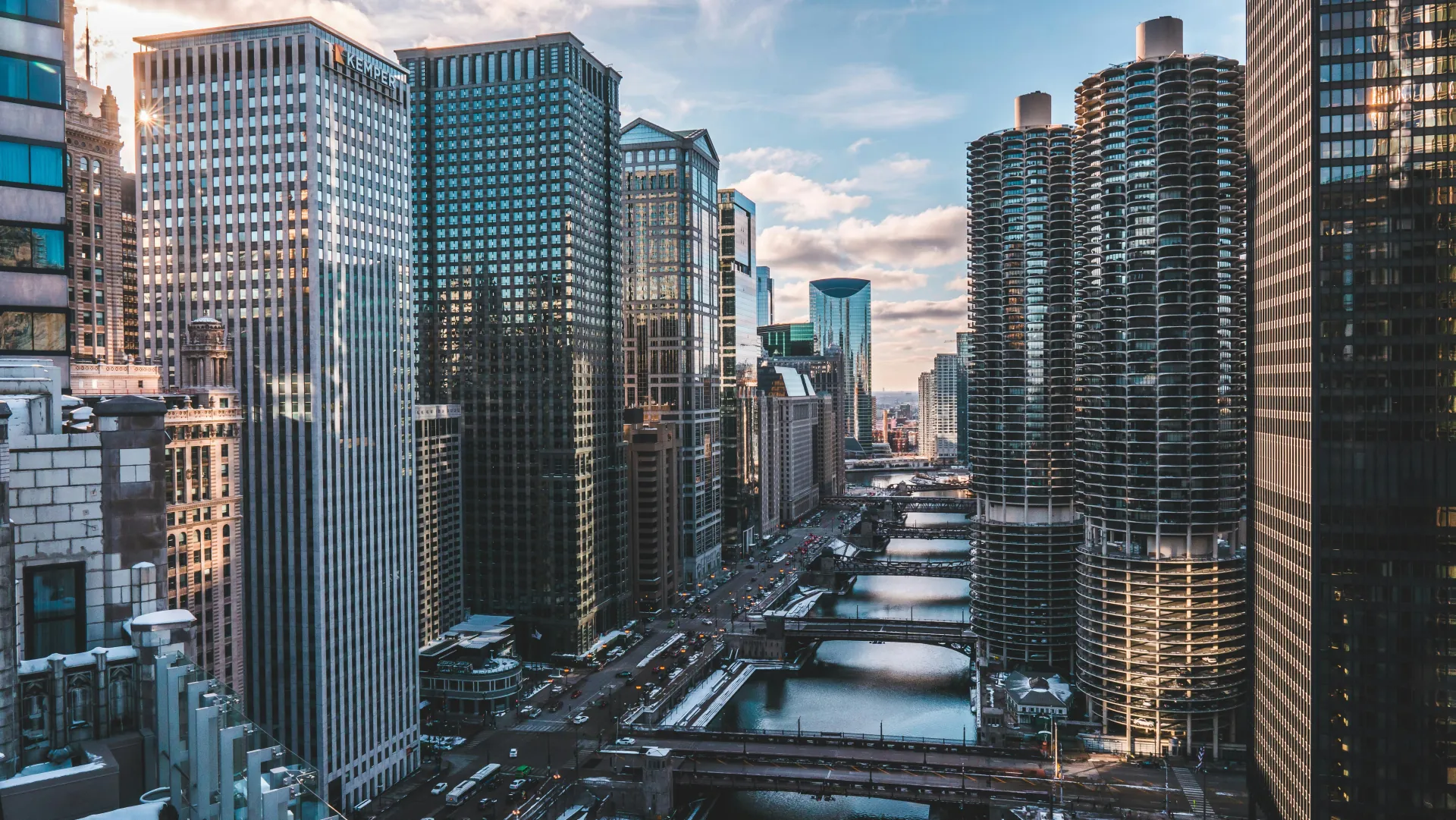
Chicago's dining scene is one of the deepest in the country, and in 2026 it is the neighborhood kitchens, not just the downtown rooms, carrying it.
Why a neighborhood's food scene is really a neighborhood story
I have eaten my way across this city for years, and the thing I keep coming back to is that Chicago's food is not concentrated downtown. It is spread across neighborhoods, and the best of it is owner-run: a chef who lives nearby, a family that has held the same corner for decades, a couple who put their savings into a storefront on a quiet block. When you read a restaurant guide that lists the same ten downtown rooms every year, you are missing the actual city.
There is a practical reason to care about this beyond dinner. A strong, locally owned food scene is one of the most honest signals of neighborhood desirability you can find. Restaurants are a leading indicator: independent operators put money into a corridor before the headlines do, and where they cluster, foot traffic, evening life, and eventually housing demand tend to follow. If you are weighing a neighborhood, walk its main commercial street at 7 p.m. on a Thursday. That tells you more than any listing sheet. We track that same signal across our Chicago neighborhood guides.
Chicago also got its national flowers in 2025 and 2026. At the MICHELIN Guide Chicago ceremony on November 18, 2025, Smyth held its three stars, Ukrainian Village's Kasama (the world's first Filipino restaurant to win a star) was elevated to two stars, and Feld, also in Ukrainian Village, earned its first star plus a Green Star for sustainability. At the 2025 James Beard Awards at the Lyric Opera that June, the West Loop cocktail bar Kumiko won Outstanding Bar, Noah Sandoval of Oriole won Best Chef: Great Lakes, and South Side institution Lem's Bar-B-Q took the America's Classics honor. National recognition is nice. What follows is the neighborhood-level reason it is deserved.
West Loop and Fulton Market: the proving ground
The West Loop and Fulton Market are what people picture when they picture new Chicago dining: converted meatpacking warehouses, high design, and a density of ambition you do not find anywhere else in the Midwest. It is also where a lot of the city's restaurant capital concentrates first. Living here means walkable nightlife and Green Line and Pink Line access, at North Side price points, which is part of why it keeps attracting both chefs and residents.
On the locally owned, chef-driven side, David and Anna Posey, the husband-and-wife team behind the acclaimed Elske, opened a second West Loop venture just steps from their original. Taqueria Chingon, the West Loop taqueria, landed both a new spot in the MICHELIN Guide and a Bib Gourmand in 2025, and Kumiko, the Outstanding Bar winner, sits in the neighborhood. Newer arrivals worth your time include Bar Tutto from chef Joe Flamm in Fulton Market, and Gilda, a Basque-inspired tavern from Jeremy Leven and Rafael Esparza.
- Elske (and the Poseys' newer West Loop room): one of the city's most respected independent fine-dining names.
- Taqueria Chingon: 2025 MICHELIN Bib Gourmand and a new guide entry.
- Kumiko: 2025 James Beard Award winner for Outstanding Bar.
- Bar Tutto: chef Joe Flamm's all-day Italian cafe in Fulton Market.
- Gilda: a Basque tavern from Jeremy Leven and Rafael Esparza.
Pilsen: the most soulful eating in the city
Pilsen is, to me, the most rewarding food neighborhood in Chicago, and it is not close. This is a historically Mexican-American neighborhood with murals, galleries, and a fierce sense of identity, and its restaurants reflect that: family-owned, generations deep, and unpretentious. Living in Pilsen means classic two-flats and worker cottages, 18th Street energy, and Pink Line access to the Loop. You can read more about the area on our Pilsen neighborhood page.
Start with Carnitas Uruapan, family-owned on 18th Street since 1975, where the founder still greets regulars by name and the family opened a long-awaited Little Village flagship in early 2025. HaiSous, the Vietnamese kitchen from chef Thai and Danielle Dang, has earned MICHELIN Bib Gourmand recognition five times and multiple James Beard nominations, with Thai Dang a 2025 Best Chef: Great Lakes finalist. Add Mariscos San Pedro, where chef Marcos Ascencio was a 2025 James Beard semifinalist, plus neighborhood anchors like Nuevo Leon and the nearly half-century-old Panaderia Nuevo Leon for pan dulce.
Pilsen is the clearest example of my thesis: the food is excellent because the people who make it are invested in the place, not passing through it. That is the kind of neighborhood fabric that holds value over time.
- Carnitas Uruapan: family-owned since 1975, an 18th Street institution.
- HaiSous: Thai and Danielle Dang's Vietnamese kitchen, five-time Bib Gourmand.
- Mariscos San Pedro: chef Marcos Ascencio, 2025 James Beard semifinalist.
- Nuevo Leon and Panaderia Nuevo Leon: longtime family-run neighborhood staples.
Logan Square: where the chefs live
Logan Square is the neighborhood that taught the rest of Chicago what owner-driven dining looks like. It is leafy boulevards, a farmers market under the old eagle monument, and a concentration of independent restaurants that punches far above its size. It draws young professionals and creatives, and it has the housing stock (greystones, vintage walk-ups) and the Blue Line access to match.
The anchor is Lula Cafe, the farm-to-table pioneer that chef and owner Jason Hammel opened on Kedzie Boulevard on September 2, 1999, and which is widely credited as the founding member of the Logan Square culinary community; Hammel has since added LouLou nearby. Longman & Eagle, the gastropub with six rooms above it, and Daisies both carry MICHELIN Bib Gourmand recognition. On the newer side, Txa Txa Club graduated from pop-up supper club to a permanent all-day Logan Square cafe, and Culebra, a Puerto Rican and Caribbean cocktail spot, took over the speakeasy beneath Lonesome Rose.
- Lula Cafe: Jason Hammel's farm-to-table original, open since 1999.
- Longman & Eagle and Daisies: both 2025 MICHELIN Bib Gourmand.
- Txa Txa Club: pop-up supper club turned permanent all-day cafe.
- Culebra: Puerto Rican and Caribbean cocktails under Lonesome Rose.
Avondale: Logan Square's quieter, hungrier neighbor
Avondale sits just north and west of Logan Square, and for a while it was where chefs went when Logan Square got expensive. Now it stands on its own. It is a working neighborhood with brick bungalows, a strong Polish and Latino heritage, and a growing roster of independent kitchens. For buyers, it offers a lot of what Logan Square does at a slightly gentler entry point.
Honey Butter Fried Chicken remains the casual standard-bearer, and Parachute, the Korean-American restaurant, put Avondale on the national map years ago and now runs the listening-bar concept Parachute HiFi. Newer arrivals include Little Lark, a neo-Neapolitan pizza spot at Guild Row backed by restaurateur Steve Lewis (the team behind MICHELIN-recognized Lardon), and Spice, a sit-down room cooking dishes inspired by the African diaspora like short rib pepperpot and braised oxtail. La Nonna, an Italian-Argentine all-day spot, rounds out the picture.
- Parachute and Parachute HiFi: the chef-owned room that defined modern Avondale.
- Honey Butter Fried Chicken: the beloved casual anchor.
- Little Lark: neo-Neapolitan pizza at Guild Row from the Lardon team.
- Spice: African diaspora cooking, dinner and weekend brunch.
The Loop: downtown is cooking again
For years the Loop emptied out after work. That is changing, and the restaurant openings are both cause and effect of more people living and staying downtown. The Loop is transit-central, walkable, and increasingly residential as office buildings convert, a shift we cover in our market insights.
The headline opening is Mariela, the seafood-focused restaurant from the team behind Bucktown's Mirra, moving into the old Atwood Cafe space in the landmark Reliance Building. The Ives, from the Midosuji group, took over the historic Cherry Circle Room inside the Chicago Athletic Association Hotel with New American cooking and tableside service. For something faster, Mexican Radio brings chilaquiles, tortas, and tacos al pastor inside the Hyatt Centric, and Fatback is a sandwich shop with a butcher counter on West Wacker.
- Mariela: seafood from the Mirra team in the Reliance Building.
- The Ives: New American in the historic Cherry Circle Room space.
- Mexican Radio: all-day Mexican inside the Hyatt Centric.
- Fatback: a butcher-counter sandwich shop on West Wacker.
Hyde Park: the South Side's dining engine
Hyde Park, home to the University of Chicago and the Obama Presidential Center now rising in Jackson Park, has the cultural density of a small city and a food scene that has grown up fast. It is lakefront, architecturally rich, and one of the most stable, integrated neighborhoods on the South Side. You can explore the broader area through our Woodlawn and South Side guides.
The flagship is Virtue, the Southern American restaurant whose hospitality-first ethos made it a national name; the same team runs the agave-focused cocktail bar Cantina Rosa. Chemistry bills itself as Chicago's premier Black-owned steakhouse, Dawn A.M. Eatery brings Southern-inspired plates and a bakery, and Goree, on the Kenwood border, serves Senegalese stews and grilled snapper. Valois, the cafeteria-style diner, remains the democratic heart of the neighborhood.
- Virtue and Cantina Rosa: Southern cooking and agave cocktails, hospitality-led.
- Chemistry: a Black-owned steakhouse with white-glove service.
- Goree: Senegalese stews and grilled fish near Kenwood.
- Valois: the see-your-food diner that anchors Hyde Park.
Bridgeport: old-school Chicago with a creative streak
Bridgeport is one of the city's oldest neighborhoods, a historically working-class enclave with deep political roots that has quietly become an arts-and-food destination. It is affordable by Chicago standards, walkable, and still feels like a real neighborhood, which is exactly why it appeals to people priced out elsewhere. See our Bridgeport neighborhood page for the housing picture.
The standard-bearer is Kimski, the Korean-Polish street-food joint from brothers Ed and Mike Marszewski and chef Won Kim, attached to Maria's Packaged Goods & Community Bar, the slashie their mother Maria bought in 1986; Kimski marked ten years in 2026. Add Duck Inn, known for its rotisserie duck and a duck-fat Chicago dog, and Phil's Pizza, the cash-only thin-crust pizzeria that has held its corner since 1960. The Polo Inn, chef Dave Samber's long-running room, picked up a 2026 Readers' Choice nod.
- Kimski: Korean-Polish street food, family-run, ten years in 2026.
- Maria's Packaged Goods & Community Bar: the Marszewski family's beloved slashie since 1986.
- Duck Inn: rotisserie duck and a duck-fat Chicago dog.
- Phil's Pizza: cash-only thin-crust, holding its corner since 1960.
Where to stay if you are eating your way through
If you are visiting to eat, base yourself by the neighborhoods you most want to hit, because Chicago rewards staying put and walking. In Fulton Market, The Hoxton is a 182-room boutique hotel with three Boka Group restaurant and bar concepts on site and the entire West Loop dining corridor at your feet. Downtown, the Chicago Athletic Association Hotel on Michigan Avenue, a 241-room landmark across from Millennium Park, puts you a short walk from the Loop's new rooms and a train ride from everywhere else.
For longer or more flexible trips, the standard short-term and extended-stay options are easy to find in Logan Square, Pilsen, and the West Loop, and they let you cook from a neighborhood market and eat like a resident rather than a tourist. Choose Chicago's neighborhood guides are a reliable starting point for matching a stay to the food you are chasing.
What it means if you are thinking about putting down roots
Here is the through-line. Every neighborhood above is carried by owner-operators who chose to invest in a specific block, and that choice is one of the most reliable tells of where Chicago is healthy and where it is heading. A dense, locally owned food scene means evening foot traffic, neighbors who linger, and the kind of street life that supports home values over the long run.
If a neighborhood's restaurants are pulling you in, that instinct is worth taking seriously as a place to live, not just to eat. Whether you are weighing a purchase or thinking about selling your current home to move closer to the corridor you love, start with the housing reality of the specific area. Browse our neighborhood guides and our local blog, and when you want a concrete read on price, our team works across every neighborhood named here.
Sources
- MICHELIN Guide Chicago, restaurants
- WBEZ Chicago, Feld earns first Michelin star while Kasama is elevated to two (Nov 18, 2025)
- NBC Chicago, 2025 James Beard Award winners: Kumiko, Oriole win for Chicago
- CBS Chicago, 5 restaurants added to Chicago Michelin Guide for 2025 including Taqueria Chingon
- Time Out Chicago, best restaurants in Pilsen
- Block Club Chicago, Bridgeport's Kimski marks 10 years (May 4, 2026)
- Choose Chicago, neighborhoods guide
Common questions
Which Chicago restaurants earned new Michelin stars in 2025?
At the November 18, 2025 ceremony, Kasama in Ukrainian Village was elevated to two stars, becoming a two-star Filipino restaurant, and Feld, also in Ukrainian Village, earned its first star along with a Green Star. Smyth retained three stars. The guide also added new restaurants including Taqueria Chingon in the West Loop, Mirra and Tama in Bucktown, Nadu in Lincoln Park, and Oliver's in South Loop.
What Chicago restaurants won James Beard Awards in 2025?
At the 2025 James Beard Awards on June 16 at the Lyric Opera of Chicago, the West Loop bar Kumiko won Outstanding Bar, Noah Sandoval of Oriole won Best Chef: Great Lakes, and South Side institution Lem's Bar-B-Q received the America's Classics award. Finalists included Galit, HaiSous, and Maxwells Trading.
What is the best neighborhood for Mexican food in Chicago?
Pilsen is the heart of Chicago's Mexican dining, with family-owned institutions like Carnitas Uruapan (open since 1975) and Mariscos San Pedro, whose chef was a 2025 James Beard semifinalist. Nearby Little Village extends the corridor, and Carnitas Uruapan opened a Little Village flagship in early 2025.
Why does a strong restaurant scene matter for home buyers?
Independent, owner-operated restaurants tend to invest in a commercial corridor before broader development arrives, so a dense local food scene is an early signal of neighborhood vitality. Evening foot traffic, street life, and clustered independent businesses generally support long-term housing demand and home values.
Where should food lovers stay in Chicago?
Base yourself near the neighborhoods you most want to eat in. The Hoxton in Fulton Market puts you in the West Loop dining corridor, and the Chicago Athletic Association Hotel on Michigan Avenue is steps from the Loop's newer restaurants and a short train ride from neighborhoods like Pilsen and Logan Square. Short-term and extended-stay rentals in Logan Square or Pilsen let you eat like a local.
Are these Chicago restaurants locally owned?
The article emphasizes owner-operated and family-run restaurants, including Carnitas Uruapan (family-owned since 1975), HaiSous (Thai and Danielle Dang), Lula Cafe (Jason Hammel), Kimski and Maria's (the Marszewski family), and Virtue in Hyde Park. The focus is intentionally on the local entrepreneurs who define each neighborhood rather than national chains.
Found the neighborhood you want to live in?
If a Chicago neighborhood's food scene is pulling you in, the next step is the housing reality behind it. Whether you are buying closer to your favorite corridor or selling your current home to make the move, get a clear, no-pressure read on your options across every neighborhood named here.
Get your cash offerThis page is general information and market commentary, not legal, tax, or investment advice. Programs and figures change; confirm at the source. Image is illustrative.