Op-ed
Bronzeville Lakefront and What the South Side Deserves
The former Michael Reese site is one of the last great development canvases on the South Side. The question is not whether it gets built, but who it gets built for.
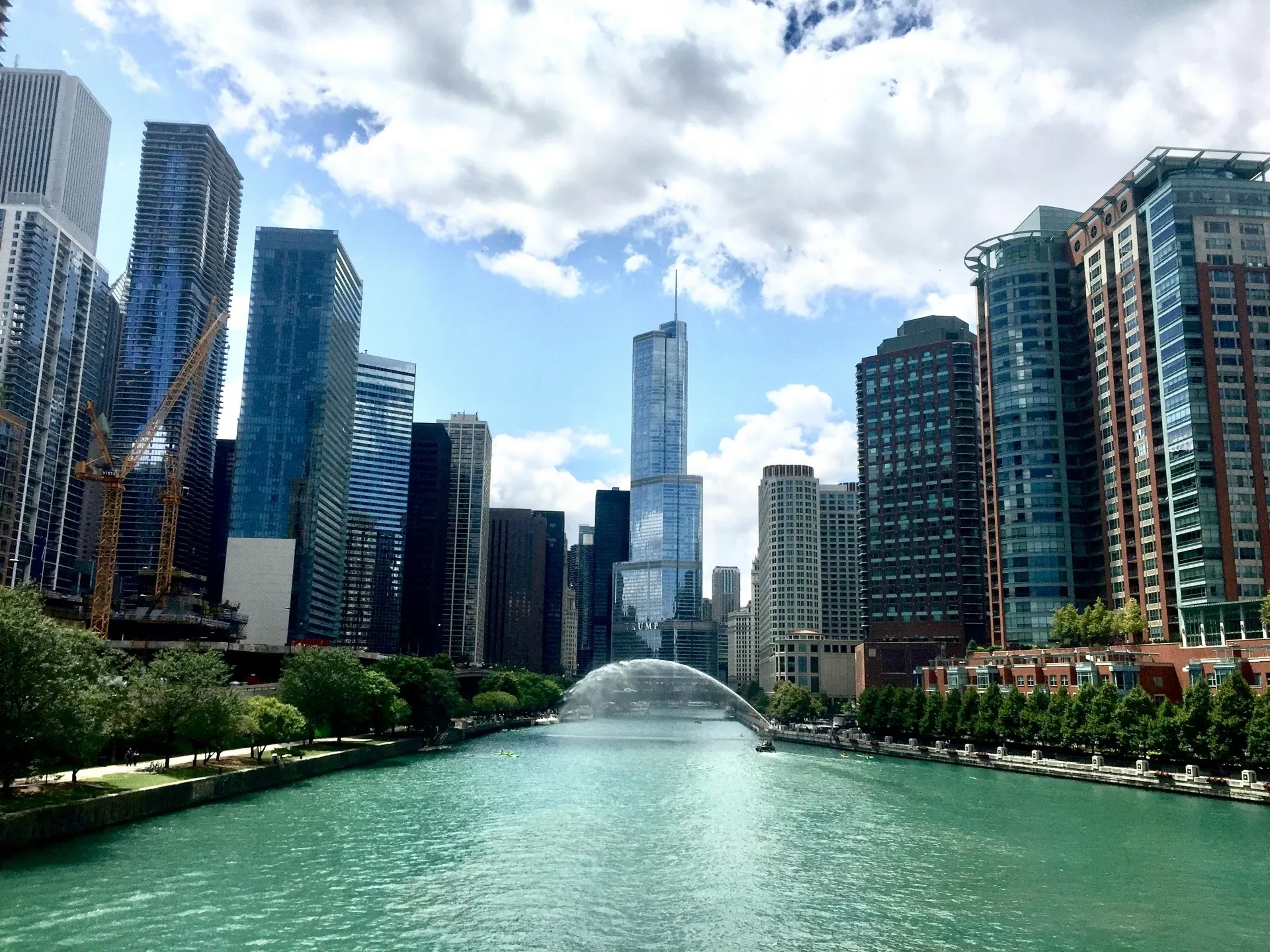
The land in question
Just south of McCormick Place sits roughly 49 acres of largely vacant land, the former home of Michael Reese Hospital. The City of Chicago selected a team of local developers, organized as GRIT and led by Farpoint Development with partners including Loop Capital, McLaurin Development Partners, Chicago Neighborhood Initiatives, and the Bronzeville Community Development Partnership, to reimagine the parcel as a project branded Bronzeville Lakefront.
The numbers are large. Public materials describe a development valued at roughly 3.8 billion dollars, with up to about 7 million square feet of commercial, institutional, and mixed-income residential space, and projections of up to 20,000 temporary and permanent jobs over the buildout. A site this size, this close to the lake and to downtown, does not come along twice in a generation.
We are real estate investors and advisors, not the developers here, and we watch projects like this closely because they reset the value, the rents, and the expectations of an entire side of the city. When a megaproject is done right, the neighborhood around it rises with it. When it is done carelessly, the people who waited longest get to watch the future arrive without them.
Why Bronzeville is not just any neighborhood
Bronzeville is the heart of Black Chicago. During the Great Migration that began around 1916, hundreds of thousands of Black Americans left the South for the city, and by 1920 the Black population of Chicago had passed 100,000. Excluded from much of the rest of the city, residents built their own banks, newspapers, hospitals, and music halls, and the result was a cultural and economic capital that people came to call the Black Metropolis.
That history is not decoration. It is the reason any plan for this land carries a heavier obligation than a typical suburban subdivision. Bronzeville also carries the memory of how growth can go wrong. Urban renewal and later public housing decisions displaced thousands of residents over the decades, and the neighborhood lost a large share of its population and its commerce by the turn of the century, according to neighborhood and university histories.
Today Bronzeville is growing again, in part because buyers are drawn to relatively affordable real estate close to the lake and downtown. That recovery is real, and it is fragile. Rising values are good news for owners and a warning sign for renters at the same time.

Where the project stands, honestly
We want to be candid about the state of play, because hype helps no one. As of mid-2026 the project was not sailing. Reporting indicates the development team faced a city deadline, described as June 15, 2026, to present a revised infrastructure plan or risk losing the current agreement, after a planned hospital partnership reportedly fell apart and the team struggled to refresh the infrastructure framework.
There was also reporting that the developer behind the separate One Central project near McCormick Place was exploring a role in the Michael Reese effort, which would tie together two large and long-delayed plans. The outcome of that deadline, and whether the two projects merge, was unconfirmed as of mid-2026. We are not going to pretend to know how it resolved. What we can say is that delay is itself a cost the neighborhood pays.
None of this means the vision is wrong. It means the vision is hard, and that the financing, the public infrastructure dollars, and the political will all have to line up at once on a site that has sat mostly empty for years.
What equitable development would actually look like
Equitable is an easy word to put in a brochure and a hard one to put in a lease. Here is what we think it has to mean on this particular site, in plain terms.
Housing that current residents can actually afford, not just income-restricted units counted in a press release but a real, durable share of homes priced for the people who already live nearby. Jobs that reach the surrounding wards, with local hiring commitments and training pipelines that survive past the ribbon cutting. Transit and walkability that connect the site to existing rail and bus, so the value created does not stay trapped behind a parking podium. And a serious, written plan to limit displacement, because a project that lifts property values without protecting longtime renters and small owners is not equity, it is a slow eviction with a nicer skyline.
- Mixed-income housing with a meaningful, lasting affordable share, not a token tier
- Local hiring and training commitments tied to measurable targets
- Strong transit and pedestrian links to existing CTA and Metra service
- Anti-displacement protections for nearby renters, seniors, and legacy homeowners
- Public green space and the rehabilitated Singer Pavilion treated as community assets, not amenities for newcomers only
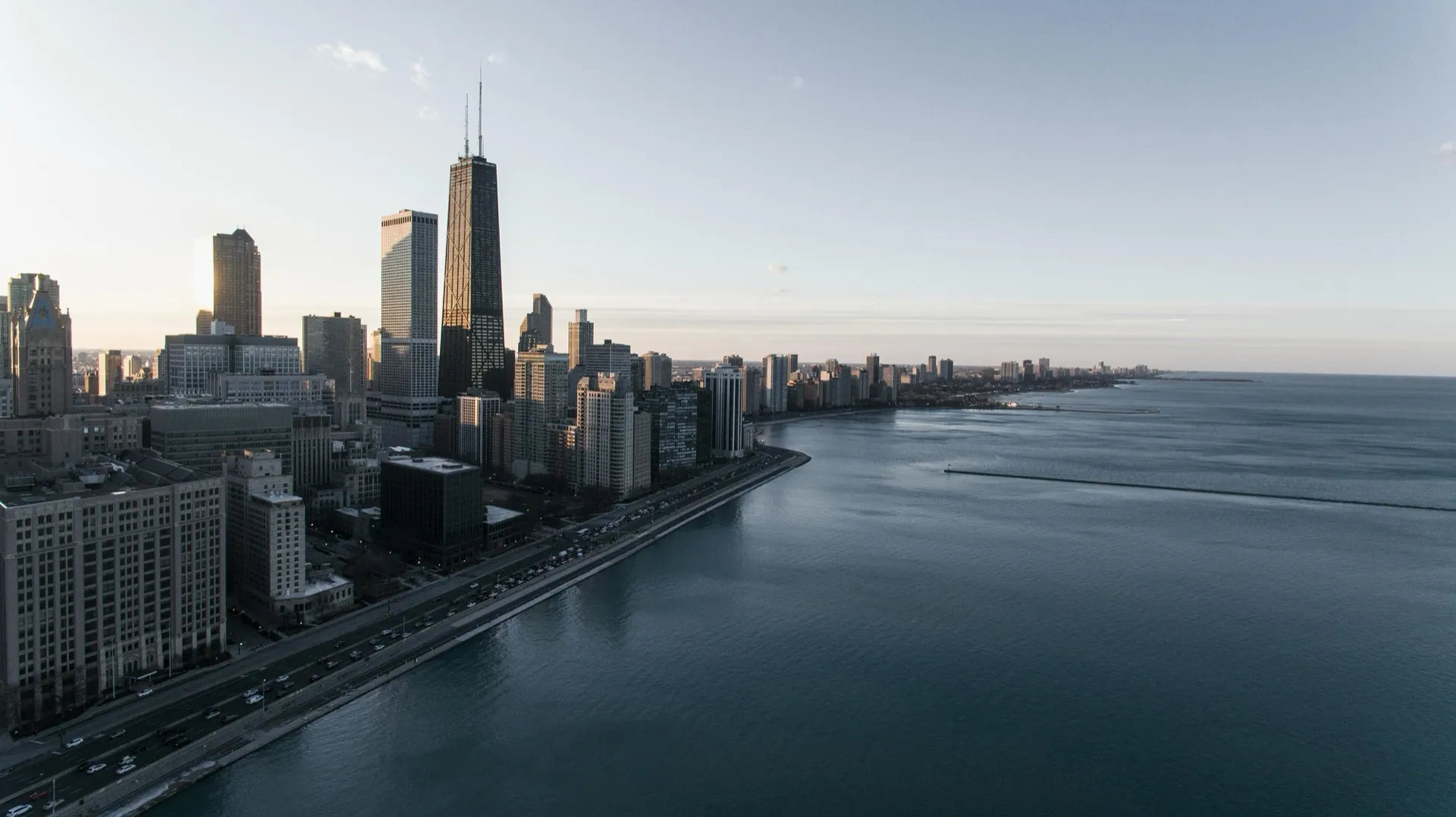
Our opinion on what is best for the area
If we were advising on outcomes rather than rooting for any one developer, we would push hard on three things. First, build the housing and the infrastructure before the trophy office space, so residents feel the benefit early and do not spend a decade looking at fenced-off promises. Second, write the community benefits into binding agreements, not goodwill, because goodwill does not show up in court when timelines slip. Third, measure success by who stays, not only by what gets built.
Bronzeville has been promised renaissance before. The neighborhood does not need another rendering. It needs cranes, paychecks, keys to apartments that working families can hold, and a development team and a city that treat the people already there as the point of the project rather than an obstacle to it.
Done that way, this becomes one of the most important pieces of city-building in the country, a place where a historically Black neighborhood writes the next chapter of its own story. Done the other way, it becomes one more cautionary tale on land that has already absorbed too many.
What this means if you own nearby
For owners in and around Bronzeville, a project of this scale changes the math whether or not you are involved. Land values, holding strategies, and the timing of a sale all shift when a multibillion-dollar plan is moving, stalling, or restarting next door. Uncertainty cuts both ways, and the headlines rarely tell you what your specific parcel is worth right now.
If you are weighing what to do with a property in the area, it is worth getting a clear read on value and options before the next round of news moves the market. You can request an offer or learn more about what we do as investors and advisors who work this part of the city every day.
Sources
- City of Chicago, Bronzeville Lakefront (former Michael Reese Hospital site)
- Bronzeville Lakefront, project site
- Block Club Chicago, 3.8 Billion Bronzeville Lakefront Megadevelopment Breaks Ground (2023)
- The Real Deal, Chicago megadevelopment owners considering project merge (2026)
- WTTW Chicago News, Former Michael Reese Site Poised for New Life as Bronzeville Lakefront (2021)
- Illinois Institute of Technology, History of Bronzeville
- National Park Service, Bronzeville Black Metropolis National Heritage Area
Thinking about a South Side property
If you own near a major development and want a clear read on value and options, we can help you weigh the move.
See what we doFrequently asked questions
What is the Bronzeville Lakefront development
It is a planned mixed-use redevelopment of roughly 49 acres at the former Michael Reese Hospital site on Chicago's South Side, led by a local developer team organized as GRIT, valued at about 3.8 billion dollars and sized at up to roughly 7 million square feet.
Is the project actually being built
Site and infrastructure work began in 2023, but as of mid-2026 the team faced a city deadline to present a revised infrastructure plan or risk the agreement, and the outcome was not confirmed. We treat the timeline as uncertain rather than settled.
Why does a project like this matter for nearby owners
A multibillion-dollar plan reshapes land values, rents, and the best timing for a sale across the surrounding neighborhood, whether or not you are part of the development, so it is worth getting a current read on your specific property.
This article reflects our opinion as real estate investors and advisors and is not legal, tax, or investment advice; verify project details with the cited primary sources.