
City Life
Chicago Summer 2026: The Concerts and the Festivals That Define Each Neighborhood
Anyone can hand you a concert calendar. Here is the local version: the tours coming to the big rooms this summer, and the neighborhood festivals that tell you who actually lives where.
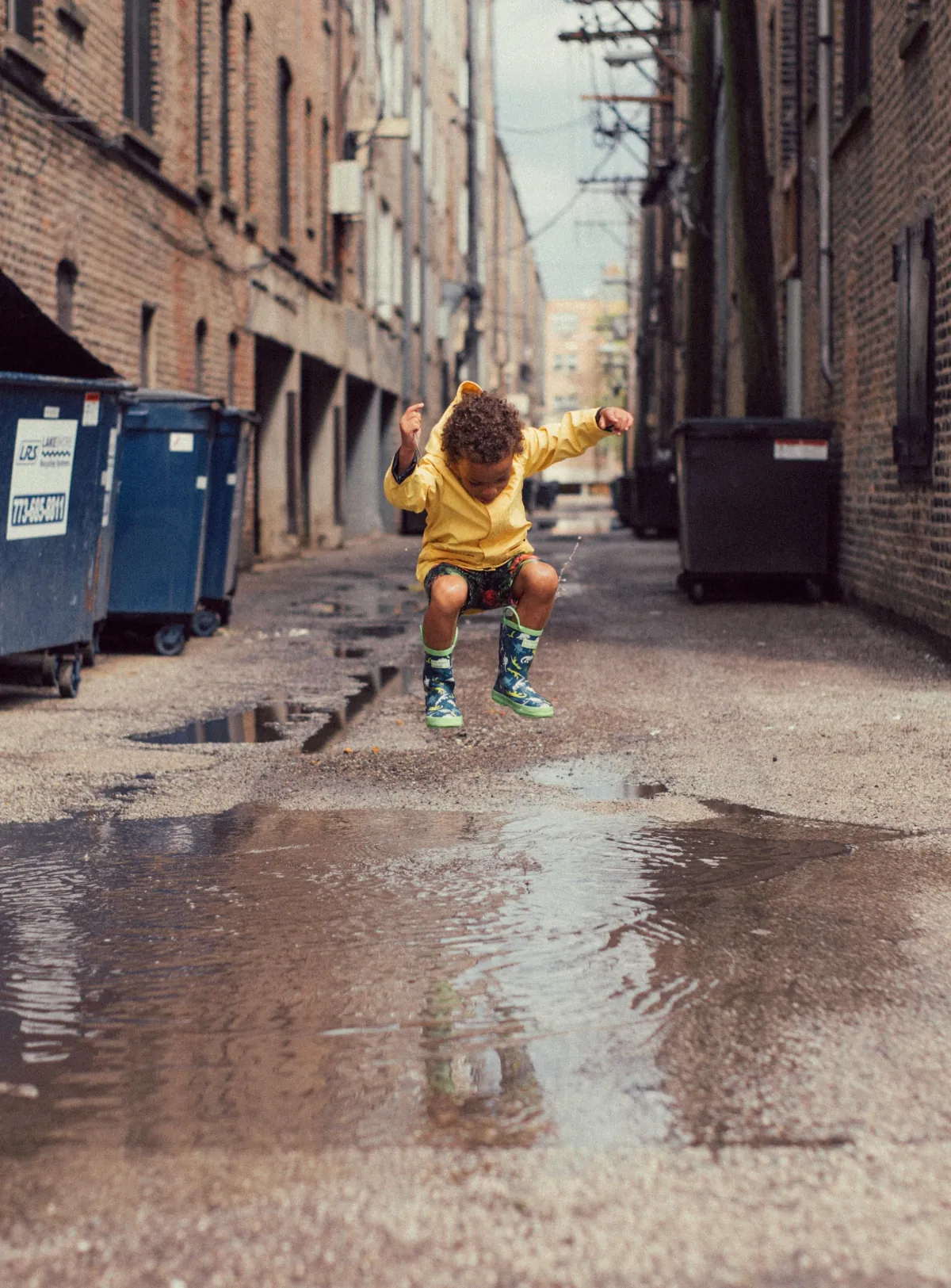
Summer in Chicago means the big-room concerts downtown and the block-by-block street fests that show you who a neighborhood actually is.
Two summers happen in Chicago at once
There are two Chicago summers, and locals run both at the same time. One is the marquee summer: the stadium tours, the lakefront stages, the four-day festival that takes over Grant Park. The other is the real summer, the one that happens on closed-off side streets, where a neighborhood drags its speakers outside, fries something on a griddle, and shows you in one weekend exactly who lives there.
Visitors usually only find the first one. So this is the local read on both. First the big rooms and the tours landing in them this summer, then a guide to the festivals organized the way we actually think about the city, by neighborhood. For each one I will tell you the character of the place, a locally owned spot or two worth your money, and why people keep deciding to stay. If you are new here or just curious what it would be like to live in one of these neighborhoods, the festival is the cheapest tour you will ever take. Browse the neighborhood guides when one of them grabs you.
The big rooms: where the tours land in 2026
Chicago is a top-tier touring market, which means the major acts route through a handful of rooms each with its own personality. The two ballparks anchor the loud end. Wrigley Field in Lakeview runs its Wintrust concert series in the bleachers, and this summer it lands Tyler Childers on July 12 (with Jon Batiste and Wednesday), Noah Kahan for two nights July 14 and 15, and comedian John Mulaney on July 11. Soldier Field on the Museum Campus goes stadium-scale with Karol G's Tropitour on July 24 and 25 and the Foo Fighters on August 8. Out west, the United Center hosts Ariana Grande across three nights, August 3, 5, and 6.
Then there are the rooms that locals actually rank by acoustics and vibe. The Salt Shed, the old Morton Salt plant on the river in Goose Island, has become the best-loved newer venue in the city; its outdoor Fairgrounds books Jack White on July 24, Slightly Stoopid on July 26, and Big Thief on August 13, while the indoor Shed keeps a steady run of shows. The Aragon Ballroom in Uptown is the gorgeous, slightly chaotic Spanish-revival barn where the sound bounces and nobody minds. And Huntington Bank Pavilion at Northerly Island is the lakefront shed where you watch the skyline light up behind the stage, which is reason enough to buy lawn seats.
The crown is still Lollapalooza, July 30 to August 2 in Grant Park: four days, eight stages, and more than 170 artists. The 2026 bill includes Lorde, Charli XCX, The Smashing Pumpkins, Tate McRae, Olivia Dean, John Summit, Jennie, and The xx, among many others. It is enormous, it is hot, and the secret locals know is that the city throws so many free festivals you never actually have to buy a Lolla wristband to have a great music summer.
- Wrigley Field (Lakeview): Tyler Childers Jul 12, Noah Kahan Jul 14 to 15, John Mulaney Jul 11.
- Soldier Field (Museum Campus): Karol G Jul 24 to 25, Foo Fighters Aug 8.
- United Center (Near West Side): Ariana Grande Aug 3, 5, and 6.
- The Salt Shed (Goose Island): Jack White Jul 24, Slightly Stoopid Jul 26, Big Thief Aug 13.
- Lollapalooza (Grant Park): Jul 30 to Aug 2, 170-plus artists across eight stages.
West Loop: Restaurant Row throws a block party
West Loop is the neighborhood that went from meatpacking warehouses to the most coveted dining ZIP code in the Midwest, and it has the festival to match. Taste of Randolph runs June 19 to 21 along Randolph Street between Peoria and Racine, the heart of Restaurant Row, with two stages and a long lineup of the restaurants that made the strip famous. It is the rare food fest where the food is genuinely the point.
Living here means loft conversions, gallery openings, and walking to dinner spots people fly in for. The locally owned anchors are part of the draw: Au Cheval still has the line out the door for its cheeseburger, and the original Girl & the Goat from chef Stephanie Izard is a few doors down the same street the festival closes. West Loop is a place where character and convenience finally stopped being a tradeoff, which is exactly why it stays expensive and stays full. If you are weighing a move into a converted loft here, our buyers page is a good place to start.
Lincoln Park and Old Town: art fairs and old money charm
Lincoln Park is the leafy, established North Side that people picture when they imagine a comfortable Chicago life: the park itself, the free zoo, the lakefront path, brownstones that have held their value through every cycle. Just south, Old Town keeps a tighter, older grain of crooked streets and Victorian cottages. The Old Town Art Fair hits its 75th year June 13 and 14, 2026, packing more than 200 artists into those narrow blocks, and it is one of the oldest juried fairs in the country.
The local institutions here are part of the identity. The Second City comedy theater in Old Town launched basically everyone you have laughed at, and it is still a working club, not a museum. Lincoln Park's locally owned mainstays, from the long-running independents on Halsted to the boutiques on Armitage, keep the area feeling lived-in rather than corporate. This is settle-down territory: families, dog walkers, people who chose stability and a great park over the newest thing. It tends to hold value precisely because demand here never really cools.
Bucktown and Wicker Park: the music-nerd corner
Bucktown and Wicker Park are the twin neighborhoods that turned post-industrial Chicago cool into a brand and then quietly got expensive doing it. The flatiron building at the six-corners of North, Damen, and Milwaukee is the spiritual center, and the area still runs on independent record stores, vintage shops, and venues. Wicker Park Fest takes over Milwaukee Avenue July 24 to 26, with stages curated by the people who book the local clubs, which is why the lineups skew genuinely interesting rather than greatest-hits.
Reckless Records on Milwaukee is the locally owned temple for crate-diggers, and Myopic Books a few blocks down has been selling used books up a creaky staircase since the 1990s. The Robey hotel rises over the flatiron corner for anyone who wants to stay in the thick of it. People live here for the density of good things within a six-block walk: the bars, the brunch, the shows. It is the neighborhood for people who want their city loud and close, and the housing stock, worker cottages and three-flats, has appreciated hard because of it.
Pilsen: murals, panaderias, and Fiesta del Sol
Pilsen is the heart of Mexican-American Chicago and, block for block, one of the most visually alive neighborhoods in the country, with murals on what feels like every wall along 16th and 18th Streets. Fiesta del Sol, July 23 to 26, is the largest Latino festival in the Midwest, and it is a genuine community institution, run by a neighborhood nonprofit that funnels proceeds back into local scholarships and services.
The locally owned spots here are the real ones. Carnitas Don Pedro on 18th Street has been doing family-run, BYOB Mexican pork for more than 30 years, and Pilsen Community Books a few doors east at 1531 W. 18th is the city's only worker-owned bookstore, the kind of place that anchors a block. The National Museum of Mexican Art, free to enter, is one of the best museums in the city that tourists routinely skip. Pilsen is also the neighborhood where the affordability and identity conversation is sharpest, so if you want to understand it, read the Pilsen area guide and walk it during the fest. It is artists, families, and a fierce sense of place all at once.
Logan Square: the boulevard scene comes back
Logan Square is the wide-boulevard, two-flat neighborhood that became the epicenter of young Chicago over the last decade, gathered around its eagle-topped monument and the farmers market that fills the plaza on Sundays. The Logan Square Arts Festival returns June 26 to 28, 2026 after sitting out a year for construction, rebuilt around the monument with two music stages and double the vendor space, with headliners Porches, Bad Bad Hats, and Catie Turner.
The locally owned culture runs deep here. Lula Cafe on Kedzie has been a farm-to-table standard-bearer since long before that was a marketing phrase, and Longman & Eagle, the Michelin-recognized tavern with rooms upstairs, doubles as the obvious place to stay if you want to wake up in the middle of it. Logan Square is for people who want walkable, dense, and creative without quite paying Wicker Park prices, though that gap narrows every year. The boulevards and the housing stock of greystones and two-flats are a big part of the long-term appeal.
Andersonville and the citywide free fests
Andersonville, up on Clark Street on the far North Side, is the historically Swedish, now famously welcoming and LGBTQ-friendly neighborhood of independent storefronts, where the local chamber fights to keep chains out. Midsommarfest, June 12 to 14, is the Swedish-rooted street party that kicks off the neighborhood festival season, and Women & Children First, the long-running feminist bookstore on Clark, is exactly the kind of locally owned shop the area is built around. It is a quieter, settled, deeply walkable place to live.
Then there is the citywide free circuit, which is Chicago's real gift to anyone on a budget. The Chicago Blues Festival runs June 4 to 7, mostly in Millennium Park; the Chicago House Music Festival, honoring the genre the city invented, lands August 27 to 30; and the Chicago Jazz Festival closes the season September 3 to 6. The Chosen Few Picnic, the legendary house-music gathering in Jackson Park, returns July 11. And Taste of Chicago, the giant free food festival, is back in Grant Park July 8 to 12 with free music to match.
Square Roots in Lincoln Square (July 10 to 12) and Do-Division in West Town (which ran May 29 to 31 this year) round out the neighborhood circuit. The point stands: between the city's free lakefront festivals and the neighborhood street fests, you can fill a whole summer of live music without buying a single big-ticket pass.
- Chicago Blues Festival: June 4 to 7, Millennium Park, free.
- Taste of Chicago: July 8 to 12, Grant Park, free admission.
- Chosen Few Picnic (house music): July 11, Jackson Park.
- Chicago House Music Festival: August 27 to 30, Millennium Park, free.
- Chicago Jazz Festival: September 3 to 6, Millennium Park, free.
Where to stay near the festival hubs
If you are visiting to chase the festivals, stay where you can walk home. For the downtown lakefront fests, Lollapalooza, Taste of Chicago, Blues, Jazz, and House in Grant and Millennium Parks, the Loop and South Loop hotels put you within a short walk of the gates. To base yourself in the neighborhood scene instead, The Robey in Wicker Park drops you at the flatiron corner where Wicker Park Fest happens, and Longman & Eagle in Logan Square offers a handful of rooms above one of the best taverns in the city, steps from the Arts Festival.
For a longer stay, or if you are testing out a neighborhood before deciding whether you want to actually live there, short-term and extended-stay rentals across Wicker Park, Logan Square, and the West Loop let you live like a local for a week or a month. That is honestly the smartest way to neighborhood-shop: rent in the middle of festival season, walk the blocks at night, and see whether the place feels like home when the speakers are loud.
If the festival made you want to stay
Here is the thing locals know that the travel sites miss: the festival is the personality, not the place. Fiesta del Sol is Pilsen showing off, but Pilsen on a regular Tuesday, the panaderias, the murals, the quiet, is what you would actually be buying into. The same goes for Logan Square's boulevards, Andersonville's storefronts, and West Loop's loft blocks. Spend a weekend at the fest, then come back on an ordinary day and see if it still holds.
If one of these neighborhoods grabs you and you start thinking about putting down roots, that is a real decision with real numbers behind it. Whether you are looking to buy into one of these areas or you already own here and are weighing your options, we work this market every day. Start with the neighborhood guides, talk to our buyers or sellers team, and let the summer do the convincing. The music ends in September. The neighborhood is the part you keep.
Sources
- Lollapalooza Official Site (2026 dates and lineup)
- Choose Chicago, Lollapalooza Chicago: 2026 Schedule and Lineup
- City of Chicago DCASE, 2026 Festival and Event Dates
- City of Chicago, Taste of Chicago Returns This July (2026)
- City of Chicago, 2026 Chicago Blues Festival, June 4 to 7
- The Salt Shed, Official Calendar
- Chicago Cubs, Wrigley Field Concert Series presented by Wintrust
- Block Club Chicago, The Ultimate Chicago Summer Guide 2026
- Logan Square Arts Festival, Official Site (June 26 to 28, 2026)
Common questions
When is Lollapalooza 2026?
Lollapalooza runs July 30 to August 2, 2026 in Grant Park, with more than 170 artists across eight stages. The 2026 lineup includes Lorde, Charli XCX, The Smashing Pumpkins, Tate McRae, Olivia Dean, John Summit, Jennie, and The xx, among many others.
What are the best free festivals in Chicago in summer 2026?
The major free festivals include the Chicago Blues Festival (June 4 to 7), Taste of Chicago (July 8 to 12), the Chicago House Music Festival (August 27 to 30), and the Chicago Jazz Festival (September 3 to 6), all centered on Grant or Millennium Park. Most neighborhood street fests are free or ask only a suggested donation.
What is the best neighborhood festival to understand Pilsen?
Fiesta del Sol, July 23 to 26, 2026, is the largest Latino festival in the Midwest and a community-run institution in Pilsen. It is the clearest single-weekend window into the neighborhood's culture, food, and art.
Which Chicago concert venues are best for the experience itself?
Beyond the stadiums, locals favor The Salt Shed in Goose Island for its riverfront setting, the Aragon Ballroom in Uptown for its Spanish-revival room, and Huntington Bank Pavilion at Northerly Island for skyline views behind the lakefront stage.
Where should I stay to be near the festivals?
For the downtown lakefront festivals, Loop and South Loop hotels are walkable to Grant and Millennium Parks. For the neighborhood scene, The Robey sits at the center of Wicker Park Fest and Longman & Eagle offers rooms in Logan Square. Short-term and extended-stay rentals in Wicker Park, Logan Square, and the West Loop are the best way to test a neighborhood before deciding to live there.
How do I learn more about living in a neighborhood I discovered at a festival?
Start with the neighborhood guides at /areas, which cover character, housing stock, and what daily life is actually like. If you are ready to act, the /buyers and /sellers pages connect you with a team that works the Chicago market every day.
Found your neighborhood this summer?
If a Chicago festival made you want to put down roots, we can help you figure out the numbers, whether you are buying into Pilsen, Logan Square, or the West Loop, or selling a home you already own here.
Get your cash offerThis page is general information and market commentary, not legal, tax, or investment advice. Programs and figures change; confirm at the source. Image is illustrative.