
City Life
Summer in Chicago With Kids: A Local's 2026 Guide, Neighborhood by Neighborhood
If you are bringing kids to Chicago this summer, skip the generic bucket list. The real city is organized by neighborhood, most of the best of it is free, and a local can tell you which block to aim for. Here is mine.
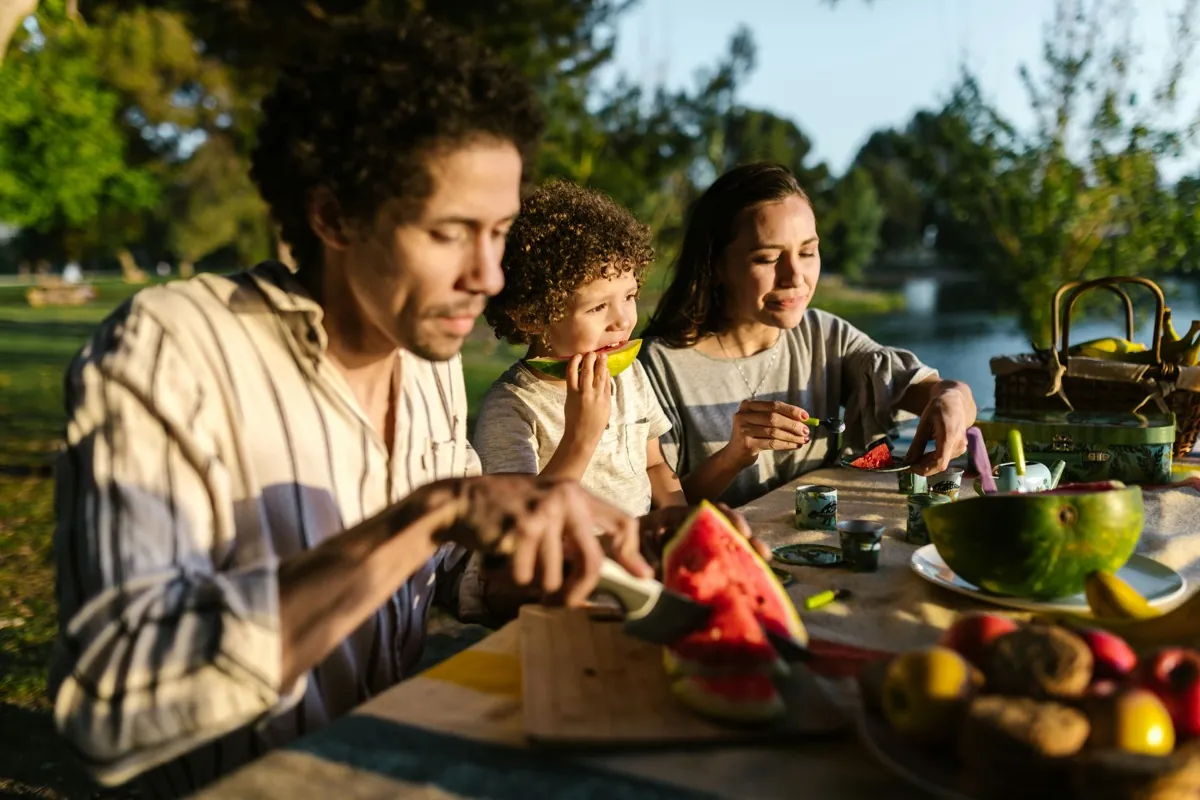
Summer in Chicago is a lakefront city built for families, and the best of it is free and neighborhood by neighborhood.
Start at the water, because the whole city is built around it
I have lived in this city long enough to tell visiting families one thing first: Chicago is a lakefront town, and almost everything good with kids sits on or near the water. The Chicago Park District opened beach season on Friday, May 22, 2026, with lifeguards on duty daily from 11 a.m. to 7 p.m. through Labor Day, Monday, September 7. Admission to every public beach is free, which is the most Chicago thing I can tell you.
North Avenue Beach is the postcard, with the boat-shaped beach house and the skyline behind your kids' sandcastles, and it sits right where the Lincoln Park neighborhood meets the lake. For families who want a little more room and a nature angle, Montrose Beach up in Uptown has a dune sanctuary and calmer crowds. New for 2026, the Park District expanded outdoor pool access too, with pools opening June 19 on a longer, full seven-day schedule, which matters on the handful of days the lake is too cold or too rough for little ones.
A practical note from someone who does this with a stroller: the 18-plus-mile Lakefront Trail runs the whole way, so you can string together a beach, a park, and the zoo on foot or by rented bike without ever getting in a car. If you are weighing what it would be like to actually live near all this, our neighborhood guide to the North Side is a good place to start.
Millennium and Maggie Daley Park: the downtown anchor
If you only have one downtown day, spend it in the connected pair of Millennium Park and Maggie Daley Park, joined by the BP Pedestrian Bridge. Millennium Park is where you get the Bean (Cloud Gate) and the Crown Fountain, where kids run straight into the water spouts on a hot day, no swimsuit politics required.
Maggie Daley Park, just across the bridge, is the one I send families to when the kids need to actually burn energy. It has an enormous, themed Play Garden, a climbing wall, mini golf, and in winter a skating ribbon. It is free, shaded in parts, and genuinely designed for a range of ages.
The programming in 2026 is the sweetener. The Millennium Park Summer Music Series runs select Mondays and Thursdays from June 15 through August 6, free, on the Great Lawn. The free Summer Film Series returns to the Jay Pritzker Pavilion June 30 through August 18 at 6:30 p.m. on a 40-foot screen, with a family-friendly lineup that includes titles like 'Ratatouille.' Bring a blanket and snacks and you have a free movie night under Gehry's steel.
- Crown Fountain: built-in splash pad downtown, no charge.
- Maggie Daley Play Garden: themed playground for toddlers through tweens.
- Summer Music Series: free concerts, June 15 to August 6, 2026.
- Summer Film Series: free movies, June 30 to August 18, 2026.
Navy Pier and Streeterville: the classic, done right
Locals love to roll their eyes at Navy Pier, and locals are wrong. With kids, it earns its keep. There is no fee to walk onto the Pier, which sits in Streeterville at the edge of the lake; you pay only for the rides you choose. The 196-foot Centennial Wheel runs daily, with enclosed gondolas that work for nervous flyers and grandparents alike, and Pier Park adds a 1920s-style carousel, a wave swinger, and a drop tower.
The reason to time a visit, though, is the free fireworks. Navy Pier runs summer fireworks every Wednesday at 9 p.m. and Saturday at 10 p.m. from late May through Labor Day, with the 2026 season running May 23 through August 29. The July 4 show is being billed as the Pier's largest ever, tied to the country's 250th birthday. You do not need a ticket; you need a good spot on the dock and a kid who can stay up a little late.
Streeterville and the neighboring River North area are where a lot of visiting families end up basing themselves, and it is walkable to the river, the Riverwalk, and the museum stretch. If a downtown lifestyle is what you are picturing, browse how we cover central and lakefront living across our Chicago area guides.
Lincoln Park: the free zoo that anchors a whole neighborhood
Here is the line that makes out-of-town parents stop and stare: Lincoln Park Zoo is free, every single day, 365 days a year, no tickets. It sits at 2001 N. Clark St. in the heart of the Lincoln Park neighborhood, and it is a real zoo, with lions, gorillas, and a working farm, not a token petting setup.
For 2026 the zoo lined up a summer of free family programming. 'Play! at Farm-in-the-Zoo' runs Wednesdays from May 27 through September 2, a drop-in program built for kids ages 1 to 5 with story time, sensory bins, and art, and the zoo's evening 'Family Fun Fur-iday' nights add a DJ, free carousel and train rides, and animal chats. Pair the zoo with the adjacent Lincoln Park Conservatory and the South Pond boardwalk and you have a full, free morning.
The Lincoln Park neighborhood itself is the soft sell here. It is leafy, low-rise, and stroller-friendly, with the lake on one side and DePaul University giving it a year-round pulse. It is also one of the pricier places to put down roots in the city, which is exactly the kind of trade-off worth understanding before you fall in love. Lincoln Park does not have its own page on our site yet, so our broader areas hub is the right starting point.
The Museum Campus: rainy-day insurance with a skyline view
Three of the city's heavy hitters sit together on the Museum Campus just south of downtown: the Field Museum (dinosaurs, including SUE the T. rex), the Shedd Aquarium, and the Adler Planetarium, which has the single best free skyline photo angle in Chicago from its lakefront point.
If you are visiting from elsewhere in Illinois, the free days are worth planning around. The Field Museum offers free general admission to Illinois residents on Wednesdays, the Adler gives Illinois residents free general admission on Wednesday evenings, and the Shedd runs free resident days on select dates plus free Tuesday evenings. Bring a state ID or Chicago CityKey, and reserve ahead where you can, because these days fill.
A campus day also puts you a short walk from the 12th Street Beach and the Northerly Island nature trails, so even your indoor day stays on the water. That mix, world-class museums and lakefront in the same afternoon, is the part of Chicago that visiting families remember.
Neighborhood festivals: where the city actually shows up
The polished downtown attractions are the front door. The neighborhood festivals are the living room, and they are mostly free and family-friendly. The City of Chicago's Department of Cultural Affairs and Special Events, plus a deep bench of community organizers, fills the summer calendar block by block.
Two I steer families toward are in Pilsen, the Lower West Side neighborhood that is the cultural heart of Mexican Chicago. Tacos y Tamales runs July 17 to 19, 2026, a street food festival modeled on a Mexican market, and Fiesta del Sol follows July 23 to 26, marking its 54th year as one of the largest Latino festivals in the Midwest, with rides, music, and food, and free admission. Downtown, the Taste of Chicago returns to the lakefront July 8 to 12 with food and free shows. Pilsen, with its murals, its taquerias, and its tight-knit blocks, is also one of the neighborhoods people fall for and then start checking listings in.
- Taste of Chicago, lakefront: July 8 to 12, 2026.
- Tacos y Tamales, Pilsen: July 17 to 19, 2026.
- Fiesta del Sol, Pilsen: July 23 to 26, 2026 (54th year).
- Plus dozens of free neighborhood street fests all summer via DCASE and local chambers.
The local spots: ice cream, bookshops, and the family-owned places that make a neighborhood
This is the part a travel site will not get right, so let me be specific. The places that make Chicago feel like Chicago are the family-owned ones, and they are scattered by neighborhood, not clustered downtown.
For ice cream, start on the South Side in Beverly, where The Original Rainbow Cone has been serving its five-flavor cone (chocolate, strawberry, Palmer House, pistachio, and orange sherbet) at 9233 S. Western Ave. since 1926. It is still run by the Sapp family, now third generation, and the Beverly shop is the original. On the North and Northwest sides, Margie's Candies in Logan Square has been making handmade ice cream and hot fudge sundaes since 1921, an old-school soda-fountain experience kids do not forget. In Pilsen, the paleterias and a La Michoacana location do the warm-evening job just as well.
For a rainy hour, Chicago's independent bookshops have some of the best children's sections anywhere. Women & Children First in Andersonville, one of the country's largest feminist bookstores, has a deep kids' selection and weekly story time; on the North Side, Unabridged Bookstore in Lakeview is beloved for its children's books. In Pilsen, ¡Viva! Los Libros bills itself as Chicago's first bilingual social-justice bookshop for kids, and over in Bridgeport, Tangible Books is a friendly used-book stop in a neighborhood that has quietly become one of the city's most interesting. These are the businesses, owned by people who live nearby, that tell you what a neighborhood is really like.
Andersonville, on the Far North Side, deserves its own line for families: a walkable main street of independent shops and restaurants, a strong cafe culture, and a genuinely welcoming feel. Like Lincoln Park and Pilsen, it does not have a dedicated page on our site yet, so our areas hub is the way in if you want to learn the lay of the land.
Where to stay (for families)
Where you base yourself shapes the whole trip, so match the neighborhood to your kids. For first-timers who want everything walkable, Streeterville and River North put you within strollering distance of Navy Pier, the Riverwalk, and the Museum Campus, with plenty of full-service hotels that have pools, a real selling point with kids. Many of these properties offer connecting rooms or suites, which beats cramming four people into one queen bed.
For a quieter, more residential feel, look at Lincoln Park and the Gold Coast, where you are near the zoo, the lakefront, and leafy streets, with smaller boutique hotels and a calmer evening pace. If you are staying a week or more, or traveling with grandparents, a short-term or extended-stay rental in a neighborhood like Lincoln Park, Lakeview, or Andersonville gives you a kitchen and laundry and lets you live like a local for a few days, which is usually cheaper per night and far less stressful with young children. Whatever you book, prioritize being walkable to a Red, Brown, or Purple Line stop; Chicago's trains make a car unnecessary and turn transit itself into part of the fun for kids.
A tip locals use: the lakefront and near-downtown hotels spike on festival and fireworks weekends, so if your dates are flexible, a midweek stay is calmer and cheaper, and you still catch the Wednesday Navy Pier fireworks and the free-resident museum Wednesdays.
Locals, this one is for you too: rediscover your own city
If you live here, treat this as your nudge. It is easy to drive past Lincoln Park Zoo for a decade and never walk in, or to forget that the museum free-resident days mean a $0 afternoon with the kids. The Crown Fountain, the lakefront trail, the Wednesday fireworks: these are not tourist traps you have aged out of. They are the reasons you pay Chicago prices to live in a Chicago neighborhood.
Pick one festival you have never been to. Take the kids to a neighborhood that is not yours, on the South Side or West Side, and get the ice cream. The city is more than its downtown skyline, and the parts that surprise you are usually a short Red Line ride away. Our ongoing neighborhood coverage on the blog is built for exactly this kind of local rediscovery.
When a great summer turns into thinking about living here
It happens every August. Families come for a week of beaches and the zoo, and somewhere around the second free festival they start asking what it would cost to do this all the time. That is the honest pull of a Chicago summer: the lakefront, the parks, and the neighborhoods do the selling that no listing photo can.
The appeal really is neighborhood-specific. Lincoln Park's leafy streets, Pilsen's murals and tight blocks, Beverly's South Side calm, Andersonville's walkable independence, each is a different version of the city and a different price point. If a summer here has you thinking about putting down roots, the smart move is to learn the neighborhoods first and the numbers second. You can start with our Chicago area guides and, when you are ready, talk to us about buying in Chicago. And if you are an owner here weighing whether to stay or move on to your next chapter, our team can give you a straight read on what your home is worth and how to sell on your terms.
Sources
- Chicago Park District, North Avenue Beach (2026 season)
- Chicago Park District, Expanded Summer Pool Access 2026
- Choose Chicago, Millennium Park Summer Music Series 2026
- Navy Pier, official site (2026 fireworks and rides)
- Lincoln Park Zoo, Visit (free admission and 2026 summer programs)
- Choose Chicago, Free Museum Days in Chicago (Illinois resident days)
- Fiesta del Sol, official site (Pilsen, July 2026)
- Choose Chicago, Festival and Event Guide 2026 (Taste of Chicago, street fests)
- The Original Rainbow Cone, Beverly location (since 1926)
Common questions
Is summer in Chicago expensive for a family?
It does not have to be. The lakefront beaches, Lincoln Park Zoo, the Crown Fountain at Millennium Park, Maggie Daley Park, Navy Pier's summer fireworks, and the Millennium Park music and film series are all free. The biggest costs are usually lodging, paid attraction add-ons like the Centennial Wheel, and food.
Are Chicago beaches open and safe for kids in summer 2026?
Yes. The Chicago Park District opened beach season on May 22, 2026, with lifeguards on duty daily from 11 a.m. to 7 p.m. in designated swim areas through Labor Day, Monday, September 7. Swim only when lifeguards are present and check posted advisories.
Is Lincoln Park Zoo really free?
Yes. Lincoln Park Zoo offers free admission every day of the year, with no tickets required for general entry. Some special after-hours events and parking are paid, but daily admission is free.
When are the Navy Pier fireworks in 2026?
Navy Pier runs free summer fireworks Wednesdays at 9 p.m. and Saturdays at 10 p.m., with the 2026 season running May 23 through August 29. The July 4 display is billed as the Pier's largest ever. No ticket is required to watch.
Which Chicago neighborhood is best for families to stay in?
For a first visit with everything walkable, Streeterville or River North put you near Navy Pier, the Riverwalk, and the Museum Campus. For a quieter, residential feel, Lincoln Park and the Gold Coast are near the zoo and the lakefront. For longer stays, an extended-stay rental in Lincoln Park, Lakeview, or Andersonville gives you a kitchen and a local pace.
Do I need a car to do summer in Chicago with kids?
Usually not. The lakefront beaches, parks, zoo, and Museum Campus are connected by the Lakefront Trail and reachable by the CTA. Basing yourself near a Red, Brown, or Purple Line stop makes the trains do the work, and kids tend to enjoy the El as part of the trip.
A Chicago summer that turned into a Chicago plan?
If a season of beaches, parks, and neighborhood festivals has you picturing life here, or you already own a home and are weighing your next move, our local team can help you read the neighborhoods and the numbers.
Get your cash offerThis page is general information and market commentary, not legal, tax, or investment advice. Programs and figures change; confirm at the source. Image is illustrative.