
Op-ed
The Bears Stadium Saga and What It Means for Owners
After years of Arlington Heights momentum, the Bears say they are advancing a stadium in Indiana. We separate what is settled from what is still very much in play.

Where the saga actually stands
The Chicago Bears stadium story has been a moving target for years, and as of early June 2026 it took its sharpest turn yet. On June 5, 2026, the Bears released a statement saying the team's board of directors voted to advance a stadium development project in Hammond, Indiana. That is a genuine shift, and it caught a lot of people in Illinois off guard.
But read the statement carefully, because the details matter for any property owner trying to plan around this. The Bears themselves said the exact site in Hammond is still to be selected, and reporting from the Chicago Sun-Times and WTTW indicated that talks with Illinois lawmakers were expected to continue. In other words, a board vote to advance a project is real, but it is not a groundbreaking, a signed deal, or a finished stadium. We have learned to treat each step in this saga as a step, not a finish line.
What is settled versus still unresolved
We think the most useful thing we can do is draw a clear line between the facts and the open questions, because the headlines blur them.
What is reasonably settled: the Bears bought the former Arlington International Racecourse in Arlington Heights for 197.2 million dollars in February 2023, a roughly 326-acre site, so they own that land regardless of where the stadium ends up. The team's lease at Soldier Field runs through 2033, so they are not homeless and there is no urgent deadline forcing a move tomorrow. And the Illinois General Assembly adjourned its spring session without passing the stadium financing legislation the team wanted, which is the proximate cause of the Indiana pivot.
What is genuinely unresolved: where, or whether, a new stadium actually gets built. The Hammond site is not selected. The public-financing fight in Illinois is not over, with a megaprojects-style bill having moved in one chamber but not the other before adjournment. And the future of the 326-acre Arlington Park parcel, an enormous piece of suburban real estate the team still owns, is an open question. Anyone presenting this as a done deal in either direction is getting ahead of the facts.
The public-financing fight underneath it all
Strip away the geography and this is a fight about who pays. The Bears have floated multiple plans over the years, including a downtown lakefront stadium near the museum campus unveiled in 2024 with a total development cost reported around 4.7 billion dollars, and a domed Arlington Heights project reported near 5 billion dollars. In every version, the question that sinks or saves it is the same: how much public money, infrastructure funding, or special tax treatment the state and local governments are willing to commit.
Illinois has repeatedly declined to write that check on the team's terms. Reporting describes a megaprojects bill advancing in the Illinois House but stalling in the Senate before the spring session ended, with competing proposals filed too late to pass. Mayor Brandon Johnson and other officials have publicly opposed major public subsidies, and Indiana's willingness to approve local incentives for a domed stadium is precisely what made Hammond attractive. Our take is that this is healthy friction. Public subsidies for billionaire-owned sports franchises deserve hard scrutiny, and Illinois taxpayers are right to ask what they get back before committing.
What it means for Arlington Heights owners
For Arlington Heights, the emotional whiplash is real. The village spent roughly five years preparing for a transformative redevelopment of Arlington Park, and Mayor Jim Tinaglia publicly expressed disappointment after the spring session. We understand the frustration. A stadium-anchored district promised new traffic, retail, dining, and a halo effect on nearby home values that local owners had reasonably started to price in.
Here is our candid read for Arlington Heights property owners. Do not treat the Indiana announcement as the end of the story, and do not treat the earlier stadium hype as a guarantee that is now lost. The team still owns 326 acres in the village, and that land will be developed into something, whether a stadium, a mixed-use district, or a sale to another developer. The most likely near-term effect on surrounding home values is a pause in speculative premium rather than a collapse. If you bought or held expecting a stadium windfall, the honest advice is to underwrite your property on its own fundamentals, schools, commute, and housing demand in the northwest suburbs, not on a stadium that may or may not arrive.
What it means for lakefront and city owners
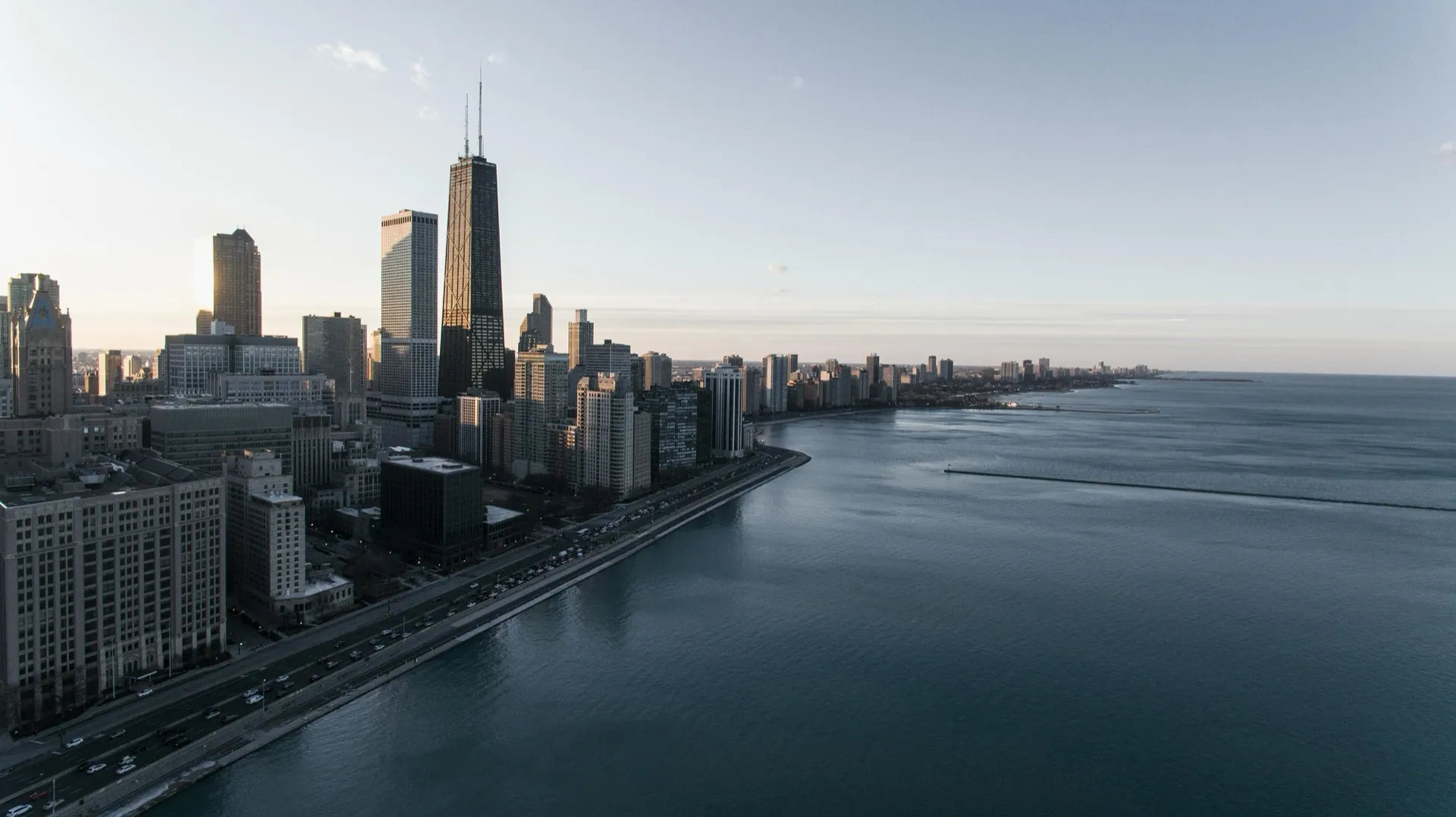
Near the lakefront and the Soldier Field area, the practical takeaway is quieter but worth saying. The 2024 lakefront proposal generated a lot of attention and, briefly, a lot of speculation about a reinvigorated museum campus district. With the team now looking outward to Indiana and its Soldier Field lease running through 2033, the case for a dramatic near-term lakefront transformation driven by the Bears has cooled considerably.
For owners in the South Loop, near the museum campus, and along the lakefront, we would not underwrite anything on a Bears-driven catalyst right now. The lakefront's value rests on much sturdier foundations: the parks, the institutions, transit, and Lake Michigan itself. Those do not depend on the Bears. If a city stadium plan ever revives, it would be upside, but it is not something a rational owner should count on today. The far more durable Chicago real estate stories are playing out elsewhere, in the projects and neighborhoods with momentum that does not hinge on a single franchise's relocation decision.
Our take if you own in the affected areas
Our opinion, plainly stated: the Bears stadium saga is a cautionary tale about pricing real estate on a megaproject that is still in motion. We have watched owners get excited about announcements and then deflated by adjournments, and the value swings on hope and disappointment rarely match the slower reality on the ground. The fundamentals move at their own pace.
If you own in Arlington Heights, near the lakefront, or anywhere a Bears decision touched, the disciplined approach is the same. Value your property on what is real now, location, condition, schools, transit, and local demand, and treat any stadium outcome as a possible bonus rather than a baseline. The team controls 326 acres and a lease through 2033, the public-financing question is unresolved, and the Indiana move is a board vote, not a poured foundation. That is a lot of genuine uncertainty.
If you own in one of these areas and want a straight, no-pressure read on what your specific property is worth today, independent of the stadium drama, that is exactly the kind of question we help owners think through. You can get an offer and an honest conversation about your options.
Sources
- WTTW News, Chicago Bears Say They Are Moving Forward With a Move to Indiana (June 5, 2026)
- Chicago Sun-Times, With Bears saying they're leaving for Indiana, blame game in Illinois spreads (June 5, 2026)
- Chicago Sun-Times, Arlington Heights or Hammond, Indiana? What to know in the Bears' stadium saga (May 11, 2026)
- NBC Chicago, Bears' stadium decision faces critical deadline this week (June 2026)
- NFL.com, Bears board of directors votes to advance stadium project in Indiana (June 5, 2026)
- Wikipedia, Chicago Bears Stadium (Arlington Park purchase, Soldier Field lease, lakefront proposal)
Own near a stadium that may never come
We help owners in Arlington Heights, the lakefront, and across the region value their property on real fundamentals, not stadium hype.
Get an OfferFrequently asked questions
Are the Chicago Bears definitely moving to Indiana
Not definitively. On June 5, 2026, the Bears board voted to advance a project in Hammond, Indiana, but the team said the exact site is still to be selected and talks with Illinois lawmakers were expected to continue, so it is a step forward, not a finished deal.
Do the Bears still own the Arlington Heights site
Yes. The team bought the former Arlington International Racecourse, a roughly 326-acre site, for 197.2 million dollars in February 2023, and it still owns that land regardless of where a stadium is ultimately built.
How does this affect property values in Arlington Heights
In our opinion the most likely near-term effect is a pause in speculative premium rather than a collapse. The team still owns 326 acres that will be developed into something, so owners should value their property on local fundamentals like schools, commute, and housing demand rather than on a stadium outcome.
This article is opinion and general information from a real estate investment team, not legal, tax, or investment advice, and figures are drawn from the cited public sources as of publication.
Join the conversation
Loading comments...