Op-ed
Lincoln Yards Is Now Foundry Park, and That Says a Lot
One vacant building in roughly seven years, a subsidy of up to $1.3 billion, a lender foreclosure, and a new owner with a much smaller plan. The Lincoln Yards to Foundry Park story is the clearest case study in how Chicago's megadevelopment model broke, and what replaced it.
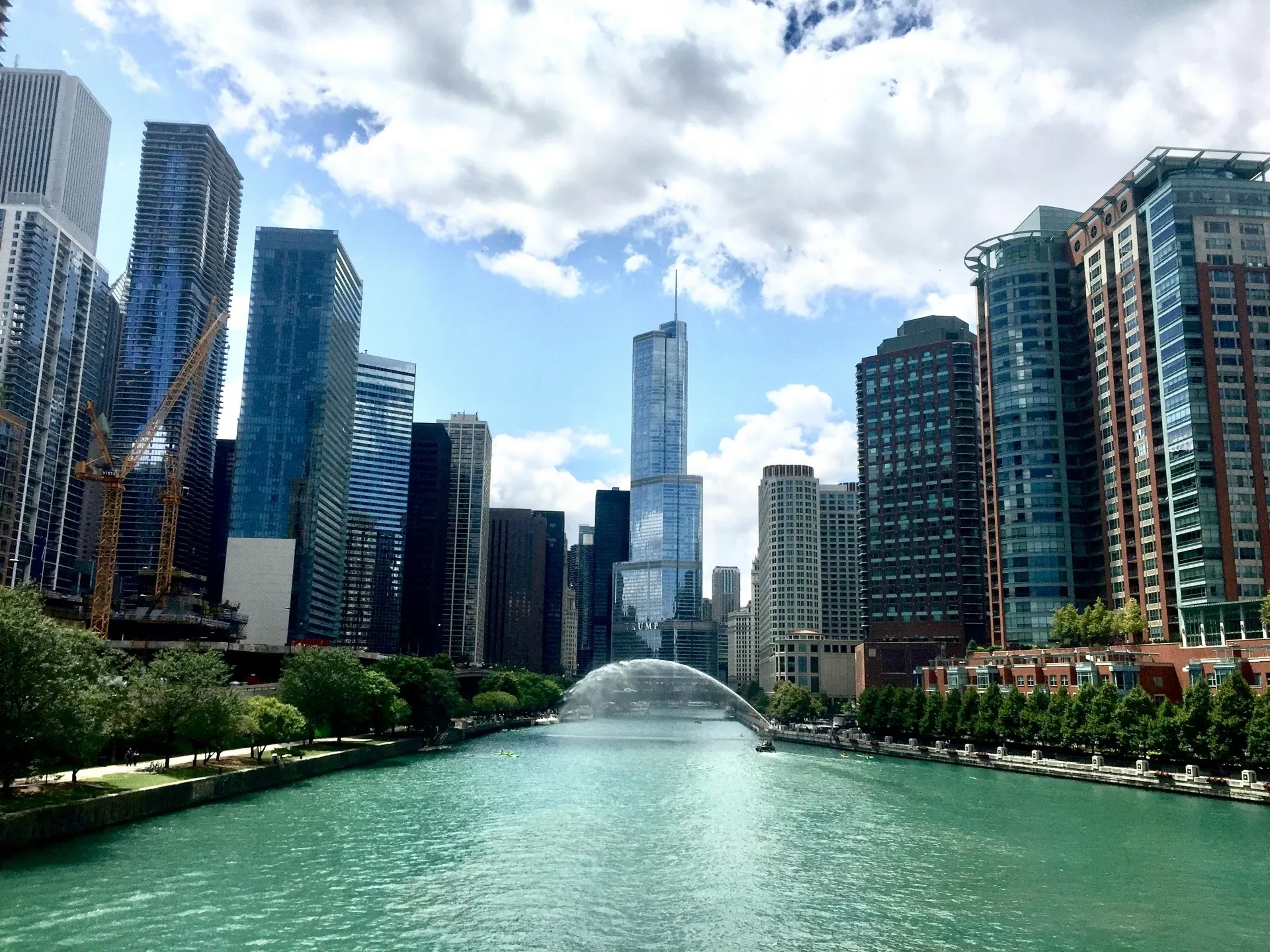
The most expensive empty lot on the North Branch
When the City Council approved Sterling Bay's Lincoln Yards on a 33 to 15 vote in March 2019, it was sold as transformative: roughly 14.5 million square feet of mixed use on the North Branch of the Chicago River, towers, offices, and a subsidy of up to $1.3 billion in tax-increment financing tied to the surrounding district. Even before approval, the most exciting pieces, a 20,000-seat soccer stadium and a Live Nation entertainment district, were stripped out in early 2019 after local pushback.
What actually got built, over the years that followed, was a single eight-story life-sciences lab at 1229 West Concord Place, completed in early 2023. It never signed a tenant. For most of its life, the marquee Chicago megaproject of the late 2010s was one empty building on a very expensive piece of dirt.
How a $6 billion plan became a foreclosure
The collapse was a capital-stack story. The pandemic gutted office demand, interest rates made refinancing punishing, and the public infrastructure the deal required never got front-funded. Sterling Bay's land loan from Bank OZK, originated around $128 million, was modified repeatedly and then written down sharply as the lender lost patience.
In March 2025, Sterling Bay handed the northern parcel back to Bank OZK through a deed-in-lieu of foreclosure. A year later, in March 2026, the lender also took the vacant Concord lab. The land had effectively been repriced down toward the dirt, which, painful as it is, is usually the precondition for anything new getting built.
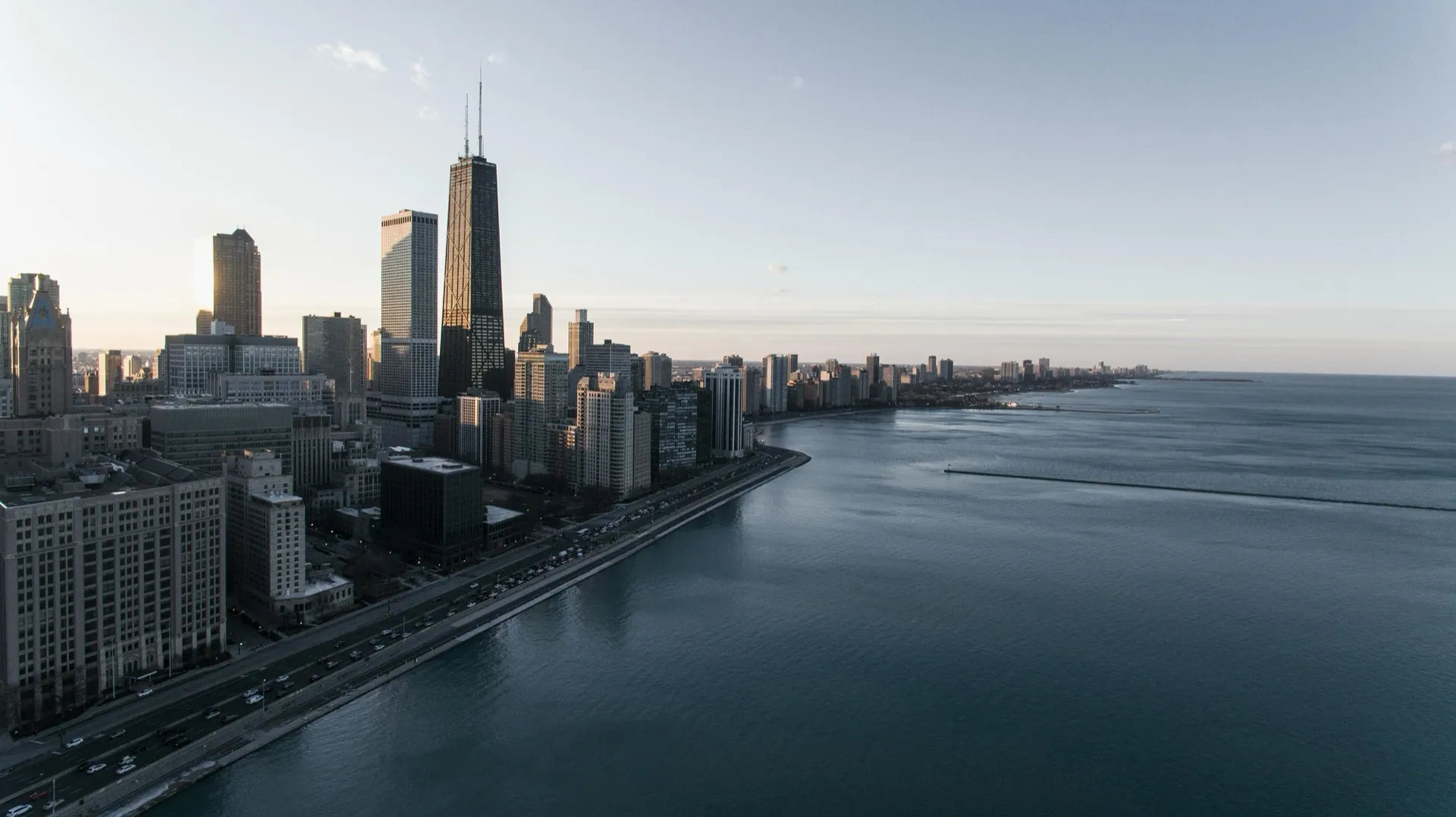
Enter Foundry Park
The reset basis is what brought in a new owner. JDL Development, led by Jim Letchinger and backed by Kayne Anderson Real Estate, agreed to pay roughly $84 million for the northern parcel and closed in mid-2025, rebranding it Foundry Park. The new plan bears little resemblance to Sterling Bay's office-heavy vision. It is housing-led: the version approved by the City Council in February 2026 allows up to about 3,737 dwelling units, with a few hundred thousand square feet of office and retail, buildings mostly under 20 stories with a tallest tower around 39 stories, plus a riverwalk and a Southport Avenue extension to the river.
No vertical construction has started yet. A first phase of roughly 709 units could begin as soon as later in 2026, with a multi-year build-out. After seven years, the site is finally moving, just as something smaller and more conventional than what was promised.
What the city traded for a project that moves
Here is the honest tension. The revised plan sheds something like $800 million in public infrastructure obligations that the original 2019 deal had required, because the original developer could not deliver them. Foundry Park asks for far less and promises far less in guaranteed civic benefit. The neighborhood and taxpayers get a project that will actually be built, but a thinner version of the bargain that justified the original subsidy.
We are not asserting how nearby residents feel about the new plan; we did not find sourced community statements specific to Foundry Park, and we will not put words in anyone's mouth. We also will not claim any specific new bridge or road is funded and under construction, because we could not verify that.
The lesson for owners and investors
This part is opinion, grounded in the facts above. The mega-TIF, office-anchored model that produced Lincoln Yards broke on contact with the 2020s. A subsidy ceiling north of a billion dollars produced one vacant building. The thesis, first offices, then a life-sciences pivot, was overrun by remote work and the cost of capital.
What survived is housing. Foundry Park's residential turn mirrors a national pattern: speculative office is out, and for-sale and rental housing with some retail is what pencils. For property owners and investors, the takeaway is discipline. A groundbreaking is not a closing, a rendering is not a guarantee, and the projects that get built are the ones priced to reality. Track real milestones, and weigh your own numbers, not the marketing.
Sources
- Chicago Sun-Times, Lincoln Yards, Sterling Bay, JDL (June 27, 2025)
- The Real Deal, City approves $6B Lincoln Yards (March 13, 2019)
- Crain's Chicago Business, Alderman kills Lincoln Yards stadium, Live Nation deal
- The Real Deal, Bank OZK seizes vacant Lincoln Yards lab (March 20, 2026)
- Block Club Chicago, Foundry Park approved by City Council (Feb 18, 2026)
- Block Club Chicago, Foundry Park plans: townhomes, towers, riverwalk (Sept 4, 2025)
Own property near a stalled or moving project
Get a direct, no-pressure read on your options with real numbers rather than renderings.
Request an offer reviewFrequently asked questions
Is Lincoln Yards dead?
Not exactly. Sterling Bay's original Lincoln Yards plan collapsed, but the northern parcel was bought by JDL Development and rebranded Foundry Park, a smaller, housing-led plan that the City Council approved in February 2026. As of this writing no vertical construction had started.
What is Foundry Park?
Foundry Park is the redesigned development on the former Lincoln Yards northern parcel, led by JDL Development with Kayne Anderson. The approved plan allows up to about 3,737 residential units with some office and retail, a riverwalk, and a tallest tower around 39 stories.
Did taxpayers pay for Lincoln Yards?
The 2019 deal included up to about $1.3 billion in tax-increment financing tied to the district. The revised Foundry Park plan sheds roughly $800 million in public infrastructure obligations the original deal had required, so the public commitment and the guaranteed benefits are both smaller.
This article is market commentary and includes clearly labeled opinion, not investment, legal, or tax advice. Figures and project status change; verify current details with the linked sources before relying on them.