
Development
From Lincoln Yards to Foundry Park: Where the North Branch Megaproject Actually Stands in 2026
The grand Lincoln Yards plan is dead, but the land did not sit still. A leaner, housing-first project called Foundry Park now has City Council approval and a fall 2026 groundbreaking target, and that shift is the real story for owners in Lincoln Park, Bucktown, and the Near North Side.
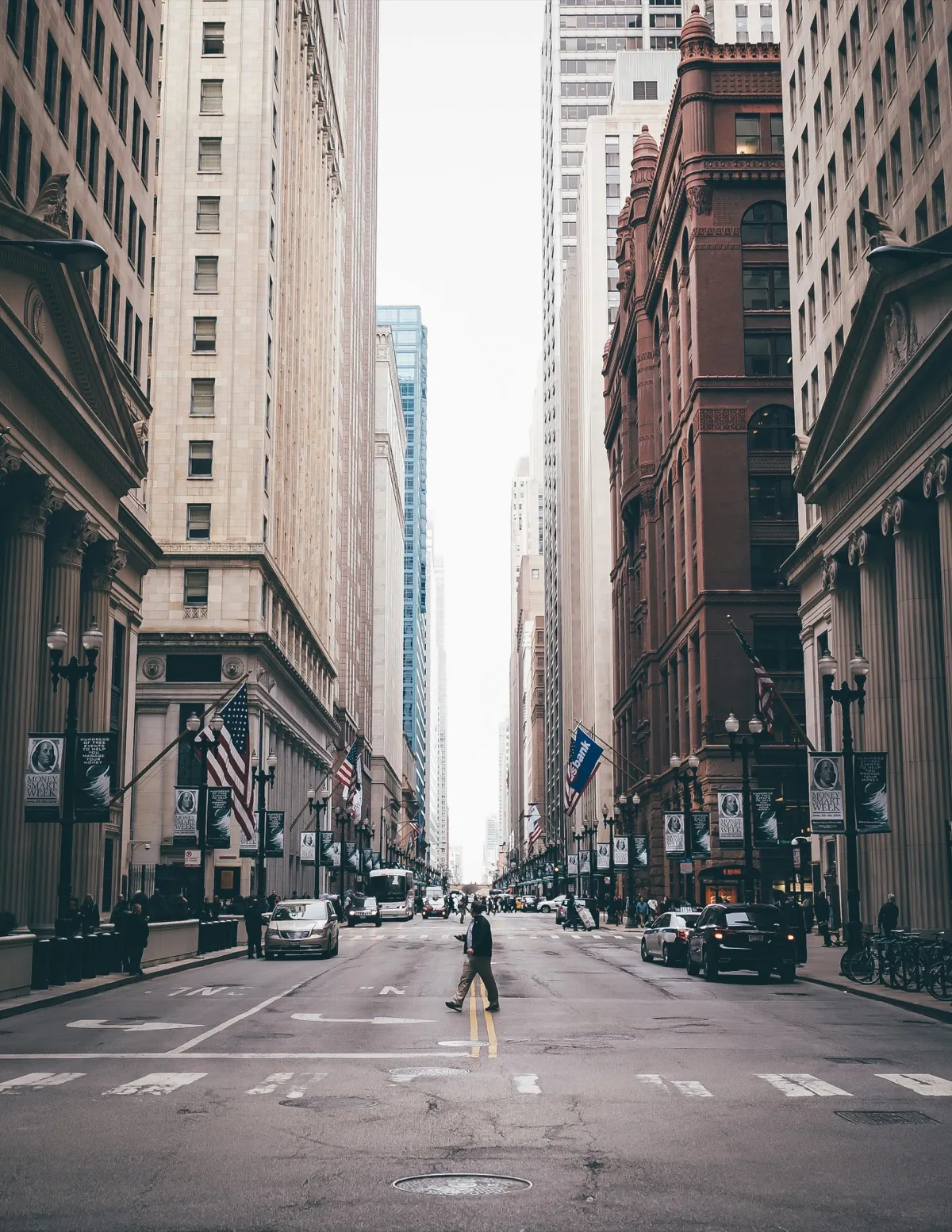
The 53-acre North Branch site between Lincoln Park and Bucktown, once branded Lincoln Yards, is being rebuilt under a new name and new owners as Foundry Park.
The short version: a new name, new owners, a smaller plan
For most of the last decade, the riverfront industrial land along the North Branch of the Chicago River carried one name and one promise: Lincoln Yards, a roughly $6 billion Sterling Bay megaproject approved by City Council in 2019 to remake 53 acres between Lincoln Park and Bucktown. That version is finished as a brand. Sterling Bay surrendered the northern section of the site to a lender in March 2025 after years of financial trouble, having completed exactly one building.
What replaced it is the actual news. In July 2025, Chicago residential developer JDL Development, led by founder and CEO Jim Letchinger, teamed with Kayne Anderson Real Estate to take over the northern portion. They renamed it Foundry Park, scaled the ambition way down from offices toward housing, and pushed it through City approvals fast. The City Council gave final zoning approval in February 2026, and the developers are aiming to break ground on the first phase before the end of October 2026.
If you own near this site, the practical takeaway is that the land is moving again after a long stall, but on different terms. The new plan is more apartments and townhomes, less speculative office, and it leans heavily on public money to get the first shovels in the ground. For context on how big projects ripple through nearby blocks, our market insights hub tracks the citywide picture.
What Lincoln Yards was, and why it collapsed
Lincoln Yards was supposed to be transformational. Sterling Bay bought the former industrial and rail land starting in 2016, and in April 2019 the City Council approved a sprawling mixed-use vision: roughly 53 acres, a price tag around $6 billion, new parks and a riverwalk, offices, retail, entertainment, and thousands of homes stitching together Lincoln Park, Bucktown, and Wicker Park. The plan came with a large public subsidy, an approved tax increment financing package reported at about $900 million. The full history of the original project is documented on Wikipedia's Lincoln Yards entry.
Then very little got built. The only structure Sterling Bay completed was the Ally life sciences building at 1229 W. Concord Place, finished in 2023, and even that never landed a tenant. Rising interest rates, a soft office and lab market, and the firm's broader financial strain stalled the rest. The timing was brutal: the master plan was approved just before a pandemic reshaped demand for offices and lab space, and by the time Sterling Bay was ready to build at scale, borrowing costs had climbed and lenders had grown cautious. A site that looked like a sure thing in 2019 looked very different by 2024.
By 2025, Sterling Bay had handed the northern half of the site to its lender, and the lone completed building was listed for sale. That is the backdrop every nearby owner should keep in mind: approvals and renderings are not the same as construction. A zoning win and a glossy site plan can precede an actual building by years, or never produce one at all.
The lesson cuts both ways. A headline-grabbing megaproject can sit dormant for years, and proximity to a stalled site is not the value lift it looks like on a press release. We make the same point to sellers across the city in our seller resources: price and time your decision on what is actually happening, not on what was once promised. If you are weighing a sale and want flexibility regardless of how the riverfront timeline plays out, we also buy homes in their current condition through our sell as-is path.
Foundry Park: what the new plan actually includes
Foundry Park is a leaner, housing-first project. Reporting from Block Club Chicago and the Chicago Sun-Times puts the total development cost in the range of $3 billion, well under the old Lincoln Yards number, and the plan tilts decisively away from office space. Where Sterling Bay leaned on labs and offices, JDL and Kayne Anderson are leaning on homes. That is a deliberate reading of the market: demand for downtown-adjacent office has been weak, while well-located rental and for-sale housing in neighborhoods like Lincoln Park and Bucktown has held up far better.
Across the full buildout, the approved zoning allows up to 3,737 dwelling units spread across apartments, condos, single-family homes, and townhouses, plus retail and some office. The commercial program is modest by megaproject standards: roughly 350,000 square feet of office and about 420,000 square feet of retail and commercial space, alongside parks and riverwalk frontage. The mix of housing types matters, because it means the finished district is meant to hold renters, condo buyers, and single-family and townhome owners rather than a single product type aimed at one slice of the market.
Geography is part of the story too. Most of the Foundry Park buildings sit east and north of the river in Lincoln Park, with some west of the river along Elston Avenue in Bucktown. That puts the densest new construction on the Lincoln Park side, while the Bucktown edge along Elston picks up a smaller share. Owners on either side of the river will experience the project differently depending on which bank they sit on and how close they are to the planned riverwalk frontage.
Full completion is projected around 2034, so this is a multi-year, multi-phase build, not a ribbon-cutting. Anyone weighing a move near the site should think in that time frame. If you are deciding whether to buy into a neighborhood that is mid-transformation, our buyer guidance walks through how to read a long-horizon catalyst without overpaying for a future that has not arrived yet.
Phase one and the public money question
The piece that is closest to real is phase one. JDL and Kayne Anderson plan an initial phase of 709 housing units, including 95 affordable units on site plus 5 more offsite, with a payment of more than $7 million into the city's housing fund. Letchinger has said publicly he hopes to break ground before the end of October 2026, and he has told the Plan Commission and the Zoning Committee that the financing for that first phase is lined up. That distinction, financing assembled rather than merely hoped for, is exactly what was missing for most of the Lincoln Yards years.
Public money is doing a lot of the heavy lifting. As of June 2026, the infrastructure plan for Foundry Park runs about $235 million, of which almost $202 million would come back to the developers through tax increment financing, while JDL and Kayne Anderson would be on the hook for roughly $33 million. A large slice, about $71 million, is earmarked for road construction through TIF. Reporting on the public funding is detailed in Block Club Chicago.
It is worth being clear-eyed about that subsidy. Almost $202 million in TIF reimbursement is a large public commitment, and it is the kind of figure that draws scrutiny, especially given that the original Lincoln Yards subsidy produced a single empty building. Supporters argue the new structure ties public dollars more tightly to infrastructure that the city would benefit from regardless. Critics will note that taxpayers are again underwriting a private megaproject on the North Branch. Both readings can be true at once, and owners do not need to resolve the debate to plan around it.
That TIF structure matters to nearby owners for a reason that is easy to miss. Tax increment financing captures the growth in property tax revenue inside the district to repay project costs, which can shape how the surrounding tax base and assessments behave over time. If you want to understand how Cook County assessments and tax bills work in the first place, start with our guides to the Cook County Assessor's office and looking up your property tax bill.
What is built, what is financed, what is still on paper
It helps to separate the project into three honest buckets, because the gap between them is where owners get misled.
Built so far on the original Lincoln Yards land: one building, the vacant Ally life sciences building at 1229 W. Concord Place. Financed and approved but not yet under construction: Foundry Park's first phase of 709 units, which has City Council zoning approval from February 2026 and a public funding package moving through the pipeline, with a groundbreaking targeted for fall 2026. Still on paper: the remaining thousands of units, the bulk of the retail, the office space, and most of the parks and public realm, which depend on later phases stretching toward 2034.
- Built: the vacant Ally life sciences building (1229 W. Concord Place, completed 2023)
- Approved and financing assembled: Foundry Park phase one, 709 units, groundbreaking targeted before end of October 2026
- On paper for later phases: most of the up-to-3,737 units, the retail, the office, and the parks and riverwalk, through roughly 2034
How the name change actually changes the math
It is tempting to treat the rename as cosmetic, but the shift from Lincoln Yards to Foundry Park reflects a real change in what gets built and who is on the hook. Sterling Bay's plan was anchored by speculative offices and lab space, the very products that stalled. JDL and Kayne Anderson rebuilt the program around housing, which is easier to finance, easier to lease or sell in phases, and less dependent on a single corporate anchor showing up.
That makes the new plan more likely to actually break ground, which is the single most important fact for a nearby owner. A housing-first project that delivers 709 units in a first phase puts real residents on the ground relatively early, even if the full district takes until 2034. By contrast, the old plan could have remained a fenced-off construction zone or empty lot indefinitely while the office market healed.
The trade-off is scale and ambition. Foundry Park is smaller, with about half the headline cost of Lincoln Yards and a fraction of the office footprint. Owners hoping the site would become a major employment center, drawing daytime workers and the restaurants and services that follow, will get something more modest. The upside is that a residential district tends to support steady neighborhood demand rather than the boom-or-bust pattern of a single large employer.
What it means for Lincoln Park, Bucktown, and Near North Side owners
Here is the grounded read for owners in the surrounding neighborhoods. A scaled-down, housing-first plan with assembled financing and a near-term groundbreaking is genuinely better news for the immediate area than a grand office vision that sat empty for six years. Housing brings residents, foot traffic, and demand for nearby retail and services in a way speculative lab space never did. Over a multi-year horizon, that generally supports values in Lincoln Park, Bucktown, and the broader Near North Side.
The honest caution is timing and dependency. Foundry Park leans on roughly $202 million in public TIF support and a phased buildout that runs to about 2034, so the everyday-neighborhood payoff arrives slowly and is not guaranteed in any single year. Construction also means years of trucks, dust, and street work near the river before the finished blocks appear. Treat this as a long-horizon catalyst that just got real, not as a value lift that is already priced into your block today.
If you own in one of these neighborhoods and want a straight read on what a shifting megaproject means for your value and your timing, our investor-led team helps owners across the Chicago area think it through with no pressure. When selling makes sense, we can move quickly with a fair cash offer through our offer process.
Sources
- Block Club Chicago, Foundry Park Development At Former Lincoln Yards Site Approved By City Council (February 2026)
- Block Club Chicago, Foundry Park In Line For 200 Million In Public Funding At Former Lincoln Yards Site (June 9, 2026)
- Chicago Sun-Times, Foundry Park project, downsized successor to failed Lincoln Yards venture, gets City Council's OK (February 18, 2026)
- Block Club Chicago, Lincoln Yards' Only Completed Building Is For Sale (August 19, 2025)
- Wikipedia, Lincoln Yards (development) - original Sterling Bay plan, 53 acres, $6 billion, 2019 City Council approval and TIF
Common questions
Is Lincoln Yards cancelled
The original Lincoln Yards plan by Sterling Bay is effectively dead as a brand. Sterling Bay surrendered the northern section of the site to a lender in March 2025. A new developer team has taken over and renamed the project Foundry Park.
Who is developing Foundry Park
Foundry Park is led by JDL Development, whose founder and CEO is Jim Letchinger, in partnership with Kayne Anderson Real Estate. They took over the northern portion of the former Lincoln Yards site in July 2025.
When will Foundry Park break ground
The City Council gave final zoning approval in February 2026, and the developers have said they hope to break ground on the first phase before the end of October 2026. Full project completion is projected around 2034.
How is Foundry Park different from Lincoln Yards
Foundry Park is scaled down and housing-first. The total cost is reported around $3 billion versus roughly $6 billion for Lincoln Yards, with far less office space, up to 3,737 homes, and a stronger emphasis on apartments, townhomes, and retail.
How much public money is Foundry Park getting
As of June 2026, the infrastructure plan runs about $235 million, with almost $202 million reimbursed to the developers through tax increment financing and roughly $33 million paid by the developers. About $71 million of the TIF is earmarked for road construction.
Has anything actually been built on the Lincoln Yards site
Only one building was completed under Sterling Bay: the Ally life sciences building at 1229 W. Concord Place, finished in 2023, which never found a tenant and was listed for sale in 2025. Foundry Park construction has not yet begun.
Own near Lincoln Yards or Foundry Park
We help Lincoln Park, Bucktown, and Near North Side owners read what a shifting megaproject means for their value and their timing, with a straight, no-pressure conversation and a fair cash offer if selling makes sense.
Get your cash offerThis page is general information and market commentary, not legal, tax, or investment advice. Programs and figures change; confirm at the source. Image is illustrative.