
Development
Bears Pivot to Indiana: What It Means for Owners
As of June 2026, the Bears board has voted to advance stadium planning in Hammond, Indiana after Illinois lawmakers adjourned without passing a stadium-financing bill. Nothing is final: a Hammond site has not been selected and talks with Illinois could continue. Here is what the pivot means for Arlington Heights owners and the broader market.
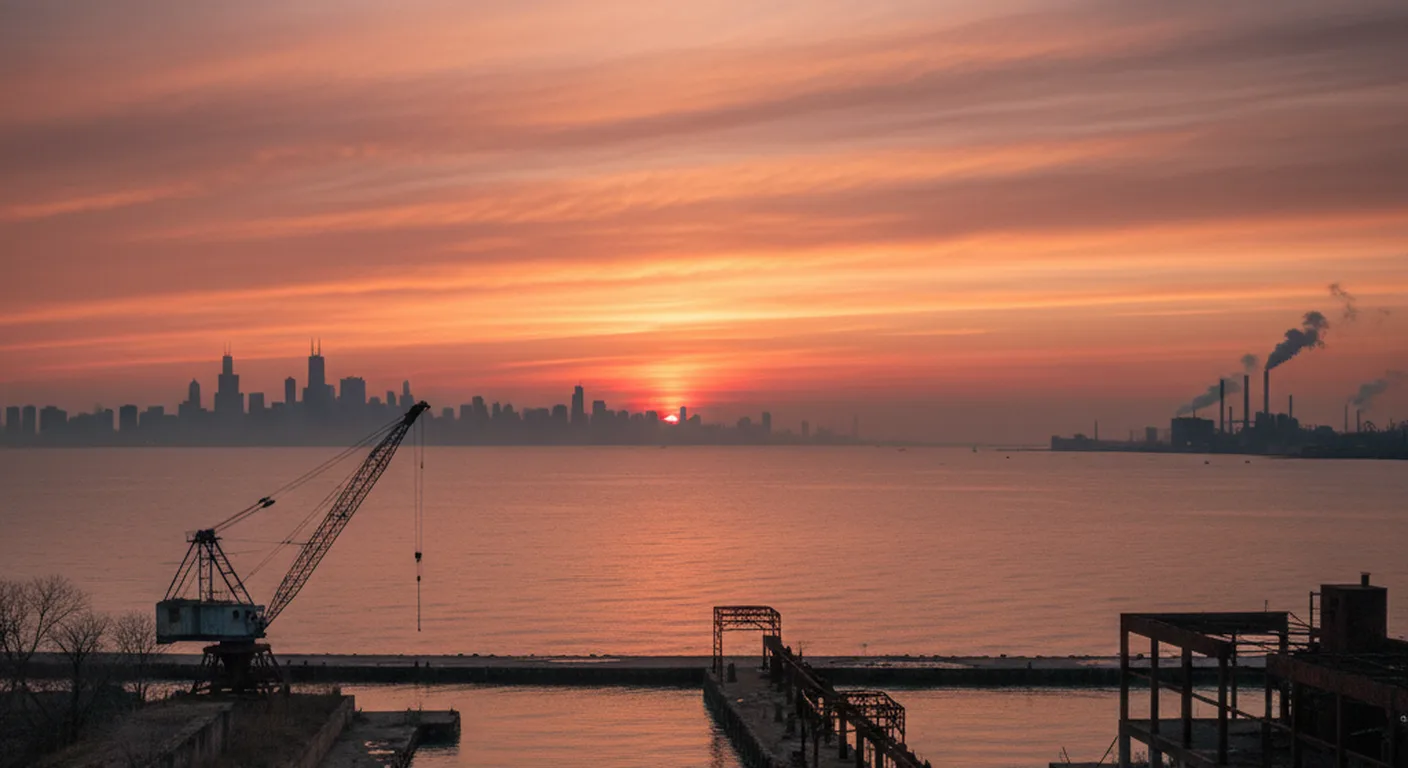
After years of Arlington Heights planning, the Bears are now formally advancing a northwest Indiana option.
Did the Bears decide to move to Hammond
The Bears have not finalized a move, but on June 5, 2026 the team's board voted to advance planning for a new stadium in Hammond, Indiana, the strongest signal yet that the franchise is prepared to leave Illinois. According to ESPN reporting, the vote moves Hammond from leverage play to active plan, with the team beginning the site selection and design work that precedes any groundbreaking.
The caveats matter. A specific Hammond site is still to be selected, the financing structure on the Indiana side is not fully public, and team leadership has left the door open to renewed talks with Illinois. Sun-Times coverage of the NFL quarterly meetings in May described the team weighing Arlington Heights against Hammond and other options right up until the legislative session ended. Treat this as a project advancing, not a relocation completed.
What happened to the Illinois stadium bill
The Illinois stadium-financing effort stalled in the final hours of the spring 2026 session: the Senate passed a stadium-authority measure at roughly 3:39 am, but the House adjourned without taking a vote, and the bill died on the calendar. As the Sun-Times reported, that left team president Kevin Warren and chairman George McCaskey without the framework they had spent months pursuing in Springfield.
The collapse was notable because the Bears had moved a long way toward the state's position. The team offered roughly 2 billion dollars of its own money toward a domed stadium in Arlington Heights, one of the largest private commitments ever attached to an NFL venue proposal. What the team wanted in return was not a blank check but predictability: a stadium authority structure and long-term property tax certainty for the surrounding development. When the House adjourned without voting, the team's leadership concluded that Illinois could not deliver a timeline, and the Hammond vote followed within days.
What is HB910, the megaprojects bill
HB910 is the Illinois megaprojects bill that passed the Illinois House in April 2026, and it remains the most concrete thing Springfield has actually done for the project. As ABC7 Chicago reported, the framework championed by Rep. Martin McLaughlin would let qualifying megaprojects lock in a 40-year property assessment freeze and make negotiated payments in lieu of taxes, removing the year-to-year reassessment risk that has dogged the Arlington Heights site since the Bears bought it.
For homeowners, the mechanics of HB910 are worth understanding because they answer the most common local worry: would a stadium shift the tax burden onto nearby residents. A payment in lieu of taxes is a fixed, negotiated annual payment to local taxing bodies, including schools. Supporters argue it guarantees districts more revenue than a vacant racecourse generates today; skeptics note that a 40-year freeze means taxing bodies give up decades of upside if the development booms. Either way, HB910 alone was not enough, because it addressed property taxes but not the stadium authority and bonding structure that died in the Senate bill.
What happens to the Arlington Heights racecourse site
The Bears still own the 326-acre former Arlington International Racecourse property, and that ownership is the single most important fact for nearby owners. Land does not move to Indiana. If the team builds in Hammond, the Arlington Heights parcel becomes one of the largest privately held development sites in the region, and the team can hold it, master-plan it for mixed-use development without a stadium, or sell it to a developer who will.
For owners near the site, each path has a different flavor but none of them looks like abandonment. A stadium anchor would have meant game-day traffic, entertainment-district retail, and a faster build-out. A non-stadium master plan would likely mean housing, offices, and retail on a slower timeline with less noise and congestion. The downside scenario is prolonged limbo, a fenced site generating minimal activity while the team decides. We walk through the ownership angles in more depth in our analysis of what the Bears stadium saga means for owners.
How does the Bears stadium affect Arlington Heights home values
For Arlington Heights homeowners, the honest answer is that the stadium was never the main driver of their home values, and its loss would not be a crash event. Arlington Heights entered June 2026 as a tight northwest suburban market with low inventory and strong schools-driven demand, conditions that exist with or without the NFL. Research on stadium effects nationally is mixed: venues tend to lift values most within a short walking radius and matter far less a mile out. Our look at whether Chicago megaprojects help nearby homeowners found the gains concentrate near the gates and fade with distance.
That said, the announcement effect is real in both directions. Listings marketed near the racecourse site drew speculative interest when Arlington Heights looked certain, and some of that premium chatter will cool as Hammond advances. Conversely, a revived Illinois deal, which remains possible, would reignite it. Sellers should price on fundamentals, comparable sales, condition, and school catchment, and treat any stadium upside as a bonus rather than a baseline. The same discipline applies on the South Side, where stadium construction at The 78 is reshaping a different set of expectations.
Is now a good time to sell a house in Arlington Heights
Yes, on fundamentals: Arlington Heights remains a low-inventory, high-demand suburb where well-priced homes sell quickly, so owners who want to sell in 2026 do not need a stadium to land a strong price. The risk runs the other way. Owners holding off specifically to capture a stadium premium are making a bet on a Springfield reversal that, as of June 2026, the team itself has stopped waiting for.
If you own near the racecourse site, the practical move is to get a current read on your specific property rather than the headline. The total project cost has been discussed in the range of 5 billion dollars, an estimate that has shifted with each iteration, and the only certainty is that the decision timeline belongs to the team and two state legislatures, not to homeowners. Sell when your own numbers work; do not let a megaproject set your calendar.
Sources
- Chicago Sun-Times, Bears stadium push stalls in Springfield as House adjourns
- Chicago Sun-Times, Bears weigh Arlington Heights and Hammond ahead of NFL quarterly meeting
- ABC7 Chicago, Rep. Martin McLaughlin on the Arlington Heights stadium proposal and megaprojects framework
- ESPN, Bears edge closer to move with new stadium in northwest Indiana
Common questions
Are the Bears moving to Indiana 2026
Not finally. As of June 2026, the team's board voted on June 5, 2026 to advance planning for a stadium in Hammond, Indiana, but a specific Hammond site has not been selected and talks with Illinois could still continue.
Did the Illinois stadium bill pass 2026
No. The Illinois Senate passed a stadium-authority measure at roughly 3:39 am at the end of the spring session, but the House adjourned without voting on it, leaving the Bears without the financing framework they had sought for Arlington Heights.
What is HB910, the Illinois megaprojects bill
HB910 is a megaprojects bill the Illinois House passed in April 2026. It would let very large developments lock in a 40-year property assessment freeze and make negotiated payments in lieu of taxes, the property tax certainty the Bears wanted for the Arlington Heights site.
What happens to the Arlington Heights racecourse site
The Bears still own the 326-acre former Arlington International Racecourse property. They could build there if Illinois talks revive, hold the land, or eventually sell it for redevelopment, and each path carries different implications for nearby owners.
Is now a good time to sell a house in Arlington Heights
Arlington Heights remains a tight, seller-friendly market on its own fundamentals, so owners who want to sell do not need the stadium to land a strong price. Anyone holding out specifically for a stadium premium should wait for a final, signed decision before counting on it.
Own property near a Chicago-area megaproject
We track how developments like the Bears stadium actually move local values and give owners a straight read on their specific property, plus a fair cash offer if selling is the right move. Start with a free home value estimate or talk to our team.
Get a Cash OfferThis page is news commentary based on reporting available as of June 2026, not legal, tax, or investment advice. The Hammond plan is advancing but not finalized, figures including the estimated 5 billion dollar project cost may change, and readers should confirm details at the linked sources. Image is illustrative.