Op-ed
LaSalle Street Is Being Rebuilt Not Abandoned
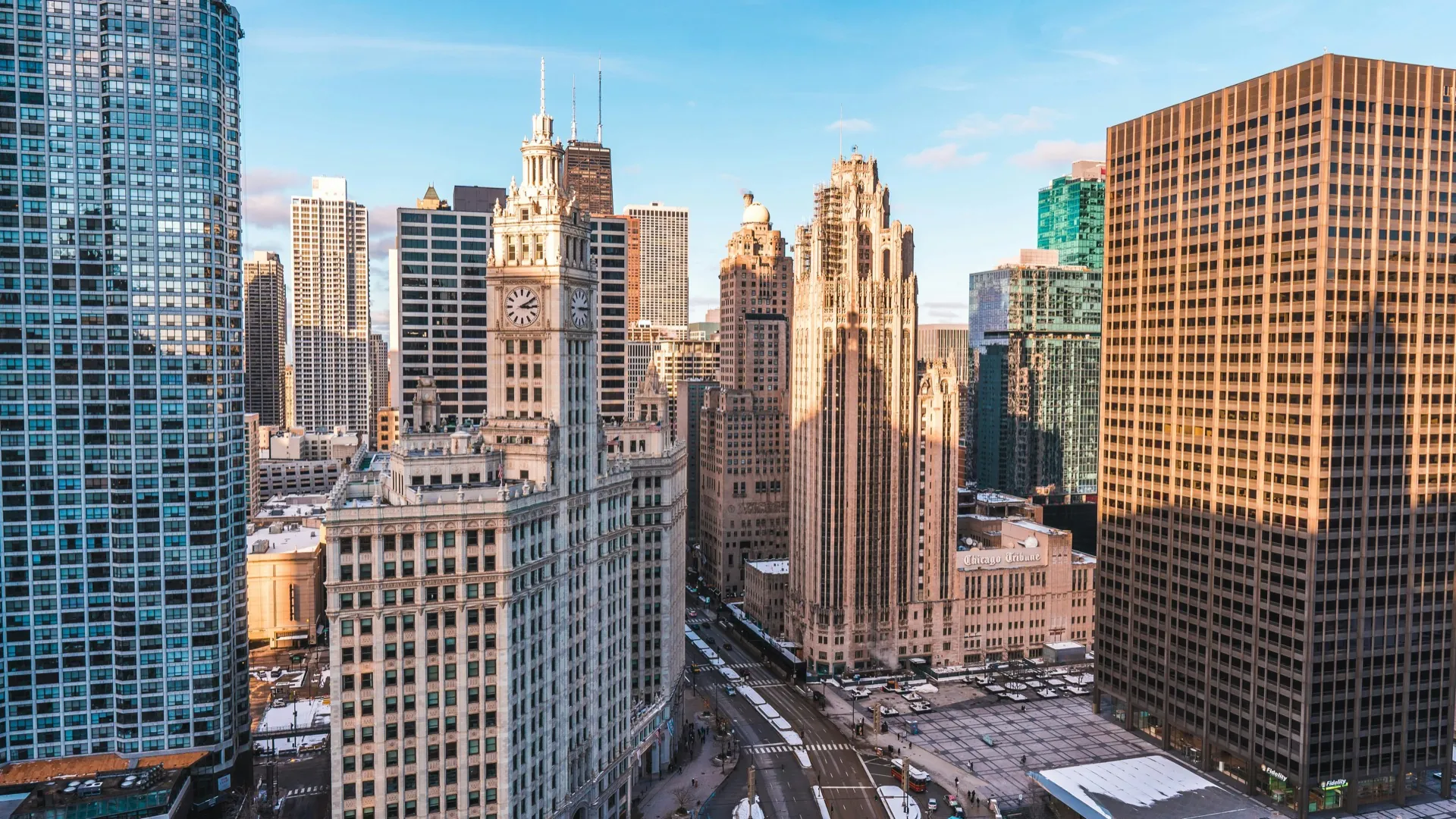
Downtown Chicago is not emptying out so much as it is being re-purposed. The city's LaSalle Street program is the clearest signal yet that the Loop's next chapter is residential.
What the LaSalle Street Reinvention actually is
The headlines about downtown Chicago tend to swing between two extremes: a doomed central business district hollowed out by remote work, or a triumphant comeback that is always just around the corner. The truth on LaSalle Street is more grounded and, in our view, more interesting. The city is converting a stretch of older, half-vacant office buildings into apartments, and it is putting real public money behind the first wave.
According to the City of Chicago, six office-to-residential projects representing more than 900 million dollars in total investment, about 1,765 units, and 2 million square feet of space are advancing with city financial assistance. As of January 2026, the city reports that more than 315 million dollars in tax-increment financing has been approved by City Council for the projects, with roughly 30 percent of the units set aside as affordable to residents earning an average of 60 percent of area median income. Another 14 conversion projects in the area are moving forward without city money.
Put plainly, this is not a plan on a slide deck. Shovels are in the ground, and the public subsidy has a specific job: closing the gap between what these aging towers cost to rebuild and what the finished apartments can actually rent for.
Why downtown needs a new use for old offices
The case for conversion starts with a hard number. Crain's Chicago Business reported that downtown office vacancy ended 2025 at another record high, the latest in a long run of quarterly records as companies shed space. Different brokerages measure the central business district differently, so the exact rate depends on whose report you read, but the direction is not in dispute: there is far more office space than tenants want.
When a building sits mostly empty, it stops paying its way. It generates little property tax, supports few jobs nearby, and drags down the blocks around it. The Field Building at 135 South LaSalle is a textbook example. Crain's and preservation groups have described it as roughly 83 percent vacant after Bank of America moved its headquarters to a newer tower on Wacker Drive. A 44-story landmark sitting that empty is not a neighborhood asset. It is a liability with a beautiful lobby.
Converting that space to housing is one of the few uses that can absorb the surplus. You cannot will office tenants back into existence, but you can give the building a different reason to exist.

The two projects that show how this works
Two buildings make the abstract concrete.
The first to break ground was 79 West Monroe, also known as the Rector Building. Block Club Chicago reported that the roughly 64 million dollar project broke ground on March 27, 2025, converting seven floors of vacant office space into 117 mixed-income apartments, 41 of them affordable, supported by about 28 million dollars in tax-increment financing. It was the first conversion under the program to actually start construction, which matters: a first mover proves the financing and the engineering can work on a real building, not just a spreadsheet.
The larger test is the Field Building. The city and multiple outlets report a plan to convert it into about 386 residential units alongside commercial space, with a total project cost in the range of 241 million dollars and roughly 98 million dollars in city subsidies and historic tax credits. If a near-empty Art Deco giant on LaSalle can fill back up with residents, it changes the story for every other oversized tower on the street.
- 79 West Monroe (Rector Building): about 117 apartments, 41 affordable, roughly 64 million dollars, broke ground March 2025.
- Field Building, 135 South LaSalle: about 386 apartments planned, total project cost around 241 million dollars, the largest conversion in the corridor by square footage.
Our honest opinion on whether this is the right move
We think converting offices to housing is the right call for the Loop, with eyes open about the trade-offs.
The strongest argument is simple. A downtown that empties out at 6 p.m. is fragile. A downtown where people sleep, buy groceries, walk dogs, and ride the train at all hours is resilient. Residents create the steady, around-the-clock demand that keeps restaurants, shops, and transit viable in a way that nine-to-five office workers never did. Adding housing in a transit-rich core is also far greener and cheaper for the region than pushing the same growth out to greenfield sites.
The honest counterpoint is cost. More than 315 million dollars in tax-increment financing is a large public bet, and TIF dollars are not free money: they come from the future property taxes generated inside the district. The fair question is not whether subsidy is involved, but whether the alternative, leaving these towers to decay and pay almost nothing, is cheaper. We do not think it is. A vacant landmark generates a fraction of the tax a full residential building does, so the relevant comparison is conversion versus continued blight, not conversion versus some imaginary free-market fix.
The affordability requirement also does real work here. Tying roughly 30 percent of the units to incomes around 60 percent of area median means the public money buys something the market would not deliver on its own. That is a defensible reason for a city to put its thumb on the scale.
What it means for owners and residents around downtown
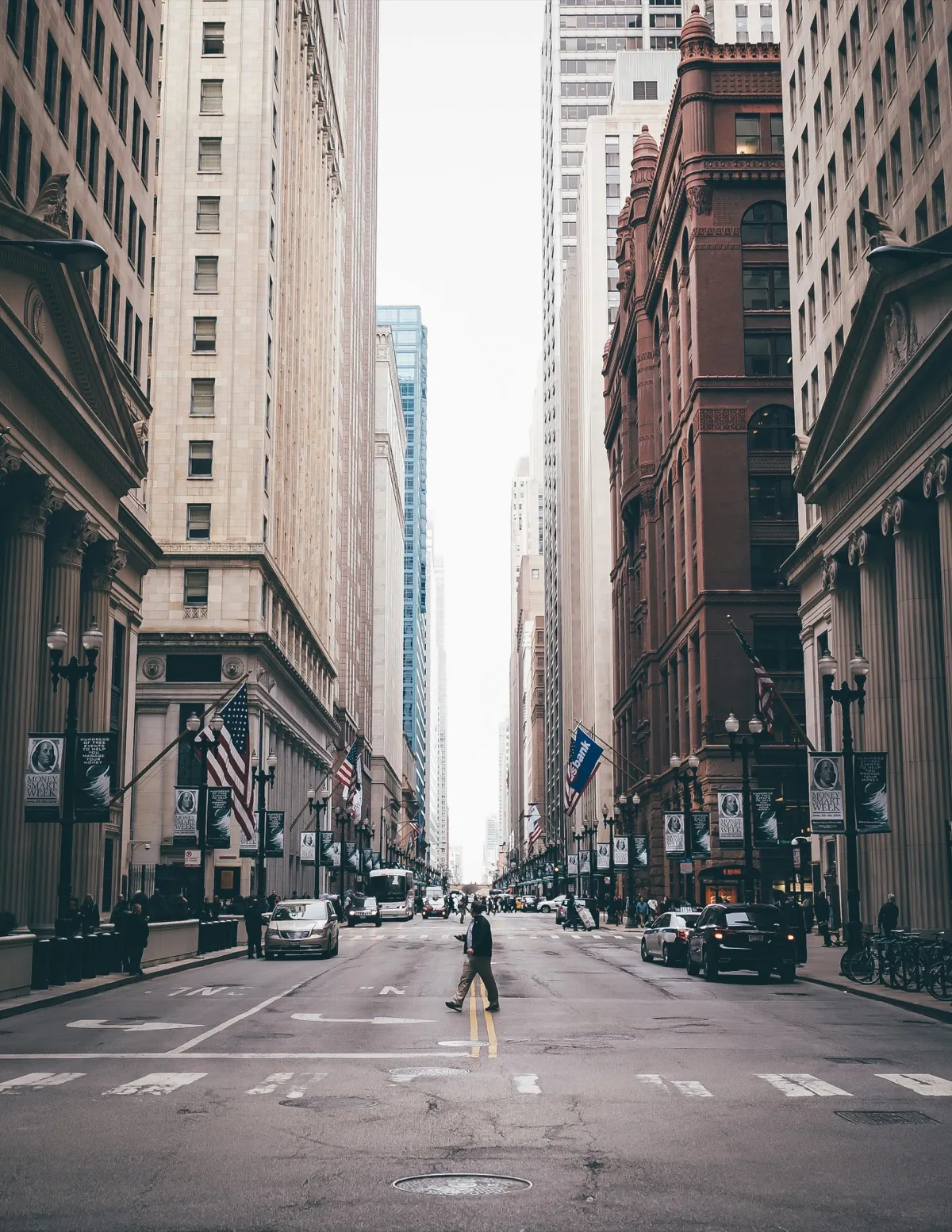
For people who own property near the Loop, the signal is the point. A credible, funded plan to fill empty towers with thousands of residents supports values across the surrounding blocks, because foot traffic, safety, and demand for nearby retail all move together. The benefit is real but gradual: conversions take two to three years from groundbreaking to lease-up, so this is a slow tide, not an overnight lift.
For renters, the near-term math is modest. Even 1,765 units is a small share of the regional housing stock, so no single program resets downtown rents. What it does change is the kind of housing available: new, transit-adjacent, mixed-income apartments in buildings that were closed to residents a few years ago.
If you own a building or a home anywhere in the downtown gravity well and you are weighing your timing, this is the broader context worth understanding. If you want a straight read on where your specific property sits in this shift, that is exactly the conversation we have every day. You can see what we do and how we think about timing a sale into a changing market.
The risks we are watching
We would be doing readers a disservice to pretend this is risk-free. Conversions are technically hard: office floor plates, plumbing cores, and window lines were not designed for apartments, and costs can run over. Lease-up assumptions depend on downtown staying desirable. And public subsidy at this scale always invites the question of whether the same dollars could do more elsewhere.
But the trajectory is clear enough to act on. The first building is built, the second is funded, and the city has committed money rather than rhetoric. The Loop is being rebuilt around a new purpose, and the owners and residents who read that early will be the ones positioned for what comes next.
Sources
- City of Chicago, LaSalle Street Reinvention program overview (2026)
- Crain's Chicago Business, Downtown office vacancy ended 2025 at another record high (2026)
- Block Club Chicago, On LaSalle Street, City Breaks Ground On First Office-To-Apartments Development (March 27, 2025)
- City of Chicago, TIF Funding Will Support 241.6 Million Field Building Conversion (September 2025)
- Preservation Chicago, Adaptive Reuse of Field Building at 135 S. LaSalle Approved By City Council (2025)
- Riverside Investment and Development, LaSalle Street Reinvention Gains Steam As Field Building Heads For Conversion (2025)
- The Real Deal, Historic Chicago Offices Win 98 Million Conversion Subsidy (October 21, 2025)
Thinking about selling near a changing downtown
We are a Chicago real estate team that reads market shifts like this one for a living and gives owners a straight answer on timing.
See What We DoFrequently asked questions
How many apartments will the LaSalle Street Reinvention create
The City of Chicago reports that six city-backed conversions are advancing with about 1,765 units, supported by more than 315 million dollars in tax-increment financing, with roughly 30 percent of units affordable.
Which building was the first office-to-residential conversion to break ground
Block Club Chicago reported that 79 West Monroe, the Rector Building, broke ground on March 27, 2025 as the first conversion under the program, a roughly 64 million dollar project creating about 117 apartments.
Is converting offices to apartments good for downtown property owners
In our view it generally supports nearby values by adding round-the-clock residents and foot traffic, though the benefit builds gradually over the two to three years each conversion takes, so it is a slow tide rather than an overnight lift.
This article is opinion and general information from a real estate investment team, not legal, tax, or investment advice, and figures are drawn from the cited public sources as of publication.