
Guides and How-To
Illinois Squatter Law 2026: Selling an Occupied Home
Since January 1, 2026, Illinois law SB1563 treats true squatters as criminal trespassers, which means police can remove them in many cases without a civil eviction. The change does not cover holdover tenants, and self-help like changing the locks remains illegal. Here is how the new law works and what it means if you need to sell an occupied property.
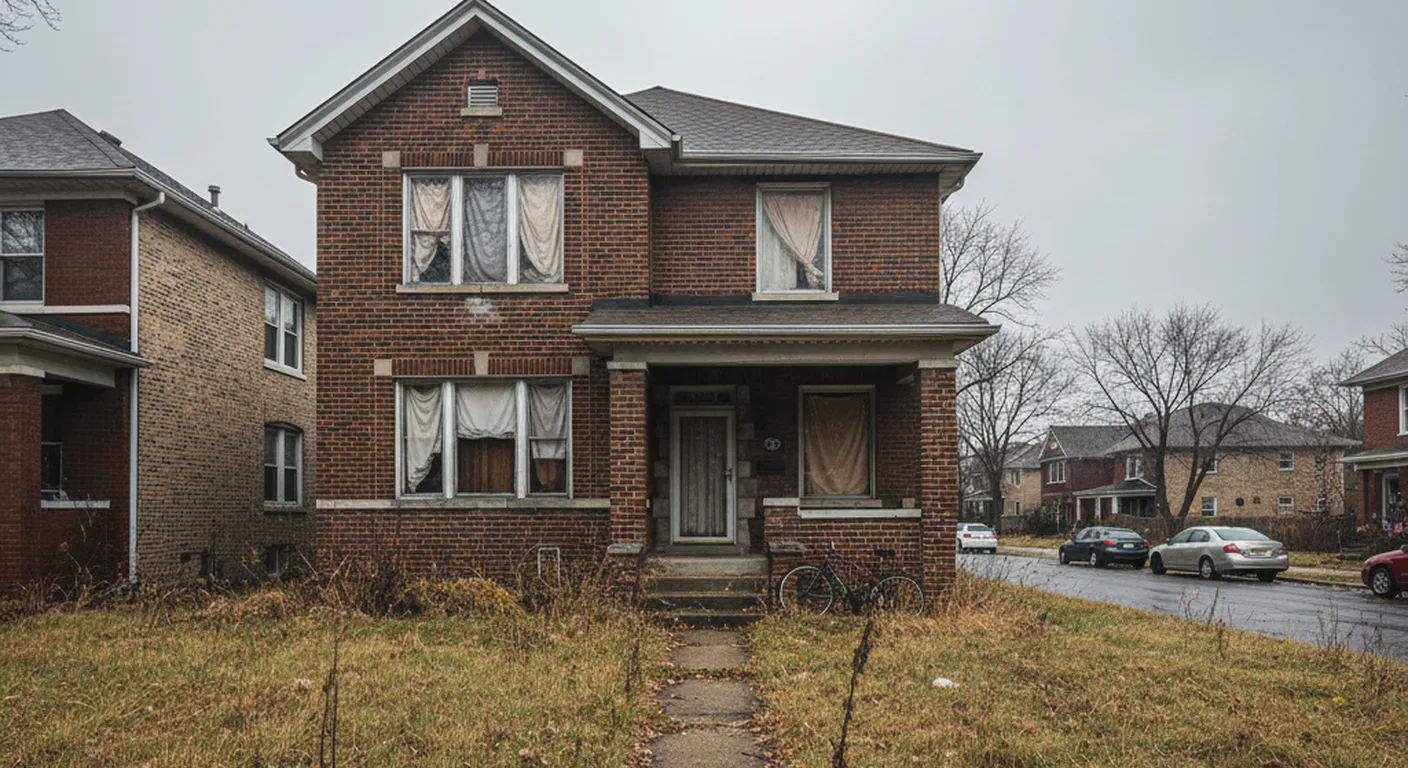
SB1563 changed who controls the keys in a squatter dispute, but only for occupants with no claim to the property.
What changed on January 1, 2026
SB1563, signed by the governor in July 2025 and effective January 1, 2026, reclassifies squatting as criminal trespass in Illinois, closing a loophole that had forced owners to run full civil evictions against people who broke into their property. Before the law, as Illinois REALTORS reported when the bill was signed, police who arrived at an occupied house often could not distinguish a burglar from a tenant, so they defaulted to treating every occupancy dispute as a civil matter. Owners of vacant Chicago two-flats sometimes waited months for an eviction judgment against someone who had simply changed the locks on a house they never had any right to enter.
The new framework, covered in ABC7's roundup of new 2026 Illinois laws, draws a line between people with a legitimate claim to possession and people with none. The first group keeps every protection of Illinois eviction law. The second group can now be treated like any other trespasser.
Can police remove a squatter in Illinois 2026
Yes, police can now remove a true squatter on the spot in many situations: if the occupant has no lease, never paid rent to anyone with authority, and entered without permission, officers can treat the matter as criminal trespass under SB1563 rather than telling the owner to file an eviction. In practice, owners should arrive with proof of ownership, such as a deed or tax bill, and be ready to sign a complaint.
The limits are just as important as the power. If the occupant produces a lease, even one the owner says is fraudulent, claims they paid rent, or once had permission to be there, officers will usually decline to remove anyone and direct the parties to court, because resolving competing possession claims is a judicial job, not a police job. Analysis from the Kluever Law Group on the closed squatter loophole stresses that the statute removes protections only from occupants with no colorable claim. Owners should not expect a same-day removal whenever someone is in the property; they should expect it only in the clear break-in scenario.
Squatter or holdover tenant: the distinction that decides everything
The single biggest mistake an Illinois owner can make in 2026 is treating a holdover tenant like a squatter, because anyone who ever had a legal right to occupy still requires a Forcible Entry and Detainer eviction case, no matter what SB1563 says about trespassers. A tenant whose lease expired, a relative the prior owner allowed to stay, a buyer who moved in before a deal collapsed, or an occupant inherited with a building purchase all fall on the tenant side of the line. So does anyone who can show even disputed evidence of a rental arrangement, a recurring issue documented in guides like Steadily's overview of Illinois squatter and occupancy law.
For those occupants, the process is the same as it was in 2025: notice, a court filing, a judgment, and a sheriff's enforcement of the order. Misjudging this line is expensive. An owner who has police remove someone later found to be a tenant, or who simply locks a tenant out, can face a wrongful eviction claim with statutory damages under Chicago's residential landlord rules. When in doubt, treat the occupant as a tenant and use the courts. Owners of multi-unit buildings face this constantly, which is why we cover occupied buildings separately in our guide to selling a two-flat or three-flat with tenants in Chicago.
Is it illegal to change the locks on a squatter in Illinois
Yes. Changing the locks, shutting off utilities, removing doors or belongings, and every other form of self-help removal remains illegal in Illinois after SB1563, whether the occupant is a tenant or a squatter. The new law changed who performs the removal, putting police in the loop for criminal trespassers, but it did not authorize owners to take possession back by force. An owner who self-helps can end up as the defendant, facing damages claims and, in Chicago, ordinance penalties, while the occupant gets restored to possession.
The compliant playbook is short: document ownership, document that the occupant has no lease or permission, call police for the true break-in scenario, and file in eviction court for everything else. Lockouts convert a winning position into a losing one.
How to sell a house with squatters in Chicago
You have two workable paths: sell the property occupied to a buyer who accepts the occupancy risk, almost always a cash investor at a discounted price, or clear the occupant first and sell at full market value. Selling occupied is faster and shifts the removal burden to the buyer, which is why distressed and inherited properties often trade this way. Clearing first nets more but takes time: days in a clean SB1563 police removal, several weeks to a few months if the matter requires a Forcible Entry and Detainer case in Cook County.
Whichever path you take, disclose the occupancy. A buyer must know the property is occupied and on what claimed basis, and your contract should state who bears the cost and risk of removal. Conventional buyers with mortgage financing generally cannot close on a squatter-occupied home, because lenders require possession at closing, so the occupied path realistically means a cash sale. If the property has been sitting empty between incidents, our guide to selling a vacant property in Chicago covers securing it in the meantime, and owners exiting rentals entirely should read our walkthrough on selling a rental property in Chicago, including the city's tenant-protection overlay discussed in our look at the Chicago tenant opportunity to purchase debate.
Get a real estate attorney before you act
Talk to an Illinois real estate attorney before removing anyone or signing a contract on an occupied property, because the squatter-versus-tenant call is fact-specific and the cost of getting it wrong lands on the owner. A short consultation can confirm which track applies, paper the file for police, and draft occupancy language for the sale contract. As of June 2026 the case law interpreting SB1563 is still thin, departments across Cook County are applying it unevenly, and an attorney who handles possession disputes will know how your local district is treating these calls.
Sources
Common questions
What is SB1563 Illinois squatter law
SB1563 is the Illinois law, signed in July 2025 and effective January 1, 2026, that reclassifies true squatters as criminal trespassers. It lets police remove unauthorized occupants who have no claim to the property without the owner first completing a civil eviction.
Can police remove a squatter in Illinois 2026
Often yes. If the occupant has no lease, never paid rent, and entered without permission, police can treat the situation as criminal trespass and remove them. If the occupant claims tenancy, shows a lease even a fraudulent one, or once had permission to be there, officers will usually decline and send the owner to eviction court to sort out the dispute.
Do I still need to evict a squatter in Illinois
Not always for a true squatter, which is the change SB1563 made. But holdover tenants, former tenants, and anyone who once had permission to occupy still require a Forcible Entry and Detainer eviction case, and disputed situations frequently end up there anyway.
Is it illegal to change the locks on a squatter in Illinois
Yes. Self-help removal, including changing locks, shutting off utilities, or removing belongings, remains illegal in Illinois even after SB1563, and it can expose the owner to damages. Removal must go through police under the criminal trespass framework or through the courts.
How to sell a house with squatters in Chicago
You can sell occupied, typically to a cash investor at a price discounted for the occupancy risk, or clear the occupant first under SB1563 or through eviction and sell at full market value. Either way the occupancy must be disclosed to the buyer, and a real estate attorney should review the situation before you list or sign a contract.
How long does it take to remove a squatter in Illinois 2026
When police agree the occupant is a criminal trespasser under SB1563, removal can happen in days. When the occupant claims tenancy and the matter goes through a Forcible Entry and Detainer case in Cook County, the process commonly runs several weeks to a few months depending on the docket and whether the occupant contests it.
Need to sell an occupied Chicago property
We buy houses with squatters, holdover tenants, and unclear occupancy situations for cash, occupied or after clearing, and we tell you honestly which path nets you more. Get a free value estimate or contact our team to talk through your situation.
Get a Cash OfferThis page is general information about Illinois law as of June 2026, not legal advice, and it does not create an attorney-client relationship. Occupancy disputes are fact-specific; consult an Illinois real estate attorney before removing an occupant or selling an occupied property. Image is illustrative.