
Policy & Programs
Illinois Access Home: $15K for First-Time Buyers
Illinois launched a new down payment assistance program in March 2026 that puts up to $15,000 of zero-interest, payment-free help behind eligible first-time buyers. Here is how the program works, who qualifies, and why Chicago-area sellers should care about it too.
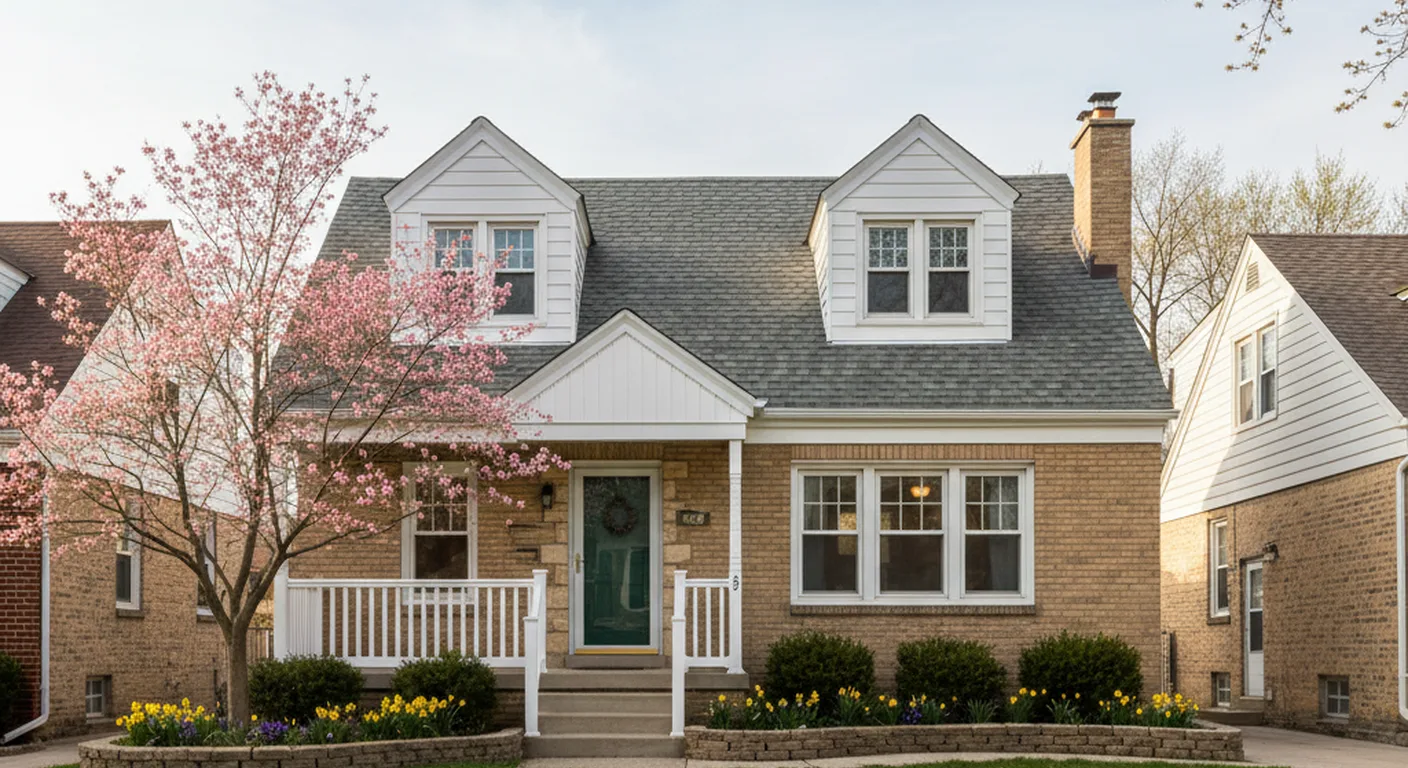
Access Home, launched March 11, 2026, pairs an IHDA first mortgage with up to $15,000 in deferred down payment help.
Illinois Access Home down payment assistance is the state's newest tool for getting first-time buyers over the biggest hurdle in homeownership: the cash needed at closing. Launched on March 11, 2026 by Governor Pritzker and the Illinois Housing Development Authority, the program provides up to $15,000 as a zero-interest second mortgage with no monthly payments, deferred for up to 30 years. Here is what buyers need to know as of June 2026, and what the program means on the other side of the table for Chicago sellers.
What is Access Home and when did it launch
Access Home is a down payment assistance program from the Illinois Housing Development Authority, announced by Governor JB Pritzker's administration on March 11, 2026. It is aimed squarely at first-time homebuyers purchasing a primary residence in Illinois, and it works through IHDA's network of participating lenders rather than as a standalone application: your mortgage lender packages the assistance with an IHDA first mortgage.
The launch reflects a stated push by the administration to attack the down payment barrier specifically. State officials framed the program around a simple observation: many renters can afford a monthly mortgage payment at current Chicago-area prices but cannot accumulate the tens of thousands of dollars needed for a down payment and closing costs while paying rent. On the funding side, Capitol News Illinois reported the program draws on excess liquidity in IHDA's bond indentures and is expected to be sustained through future bond issuances; that funding description comes from a single outlet, so treat the mechanics as reported rather than confirmed in program documents.
How much assistance does Access Home provide
Access Home provides up to $15,000 toward down payment and closing costs. The number that matters just as much is the structure: the assistance comes as a zero-interest second mortgage, often called a silent second, that requires no monthly payments and is deferred for up to 30 years. It is generally repaid when you sell the home, refinance, or pay off the first mortgage.
That structure sits between a grant and a conventional loan. Unlike a forgivable grant, the money does eventually come back to the state, which is what lets the program recycle funds to future buyers. Unlike a normal second mortgage, it costs nothing monthly and accrues no interest, so it does not stretch the buyer's debt-to-income ratio the way an amortizing loan would. For a buyer on, say, a $300,000 Chicago bungalow, $15,000 covers a 3 percent down payment with room left for closing costs, which is exactly the gap that keeps many qualified renters renting.
Who qualifies and what are the income limits
Eligibility centers on three things: first-time buyer status, income, and the loan itself. You generally must be a first-time homebuyer (typically defined as not having owned a home in the past three years), purchase a primary residence in Illinois, meet minimum credit standards, complete homebuyer education, and finance through an IHDA-participating lender. Income limits vary by county and household size. In Cook County, reported limits at launch ran up to $137,885, a figure worth reading as an example rather than a fixed ceiling, since the cap depends on household size and IHDA updates its limits periodically. Check IHDA's current program documents or ask a participating lender for the number that applies to you.
Those limits are notably generous. A six-figure Cook County income cap means Access Home reaches well into the middle class, covering many teachers, nurses, tradespeople, and two-earner households who are routinely priced out of assistance programs elsewhere. Pricing context matters here: with Chicago's median sale price around $409,000 to $410,000 in early 2026 and inventory tight, as we covered in our spring 2026 market report, the buyers this program targets are competing hard for entry-level homes. For a fuller map of city, county, and state options, see our guide to Chicago first-time buyer assistance in 2026.
Do you have to repay the assistance
Yes, eventually, but on unusually friendly terms: Access Home is a zero-interest silent second mortgage with repayment deferred for up to 30 years, not a grant. There are no monthly payments and no interest accrual. Repayment is generally triggered when you sell, refinance, or retire the first mortgage, at which point the original assistance amount comes due from your proceeds.
Buyers should plan for that lien at the back end. When you sell, the $15,000 is repaid from your equity at closing, which slightly reduces net proceeds. In a market where Chicago values have been rising mid-single digits annually, most owners will find appreciation comfortably outpaces the deferred balance, but it belongs in your math, especially for shorter holding periods.
Why Access Home matters for Chicago sellers
If you are selling an entry-level home in Chicago or the suburbs, Access Home effectively widens your buyer pool. Every renter who could carry a mortgage payment but lacked closing cash is a potential bidder once a lender pairs them with $15,000 in assistance. Entry-level inventory is already the most competitive slice of the 2026 market, and a program like this adds qualified demand at exactly that price point.
Sellers sometimes worry that assistance-backed buyers are weaker buyers. In our experience the opposite framing is more accurate: these are underwritten, education-completed, IHDA-vetted borrowers using fixed-rate first mortgages, not marginal financing. Their offers can take slightly longer to close than cash, which is the usual trade-off between price and speed; our comparison of a cash offer versus a traditional sale walks through that decision, and our data on how long it takes to sell a house in Chicago shows what timelines look like in this market. Access Home also slots into a broader state housing push under the administration's larger construction and affordability agenda, which we examined in Pritzker's Build Illinois housing plan.
The bottom line as of June 2026: Access Home is live, funded, and flowing through participating lenders. Buyers should ask any prospective lender whether they participate in IHDA programs before getting preapproved. Sellers of well-priced entry-level homes should expect some of their strongest offers this year to arrive with state assistance behind them.
Sources
Common questions
How do I qualify for the Illinois Access Home program
You generally need to be a first-time homebuyer purchasing a primary residence in Illinois, meet credit and income requirements that vary by county and household size, complete homebuyer education, and get your mortgage through an IHDA-participating lender. The lender packages the assistance with your loan.
How much down payment help can I get in Illinois in 2026
Under Access Home, eligible first-time buyers can receive up to $15,000 toward down payment and closing costs. Other IHDA programs offer different amounts and structures, so a participating lender can match you to the best fit.
What is the income limit for Access Home in Cook County
At launch, reported Cook County income limits ran up to $137,885, with the exact cap varying by household size. Limits are updated periodically, so check IHDA's current program documents or ask a participating lender for the figure that applies to your household.
Do I have to repay Illinois down payment assistance
Under Access Home, the assistance is structured as a zero-interest silent second mortgage with repayment deferred for up to 30 years. You make no monthly payments on it; it is generally repaid when you sell, refinance, or pay off the home.
What first-time homebuyer programs does Illinois have in 2026
Access Home, launched March 11, 2026, is the newest IHDA offering, joining existing options like IHDA Access Forgivable, Access Deferred, and Access Repayable, plus city and county programs in the Chicago area. Each differs in amount, repayment terms, and eligibility.
Can I use down payment assistance to sell and buy in Chicago
Not directly: Access Home is for first-time buyers, so most current owners will not qualify. But it matters to sellers because it expands the pool of qualified entry-level buyers for the home you are selling, and a move-up purchase can be paired with other financing once your sale closes.
Selling an entry-level Chicago home this year
Programs like Access Home are putting more qualified first-time buyers into the market. We will tell you what your home is worth to them and make a fair cash offer if speed and certainty matter more. You can also get a quick value estimate or contact our team.
Get a Cash OfferThis page is general information, not legal, tax, lending, or investment advice. Program terms, funding, and income limits change; confirm current details with IHDA or a participating lender. Image is illustrative.