
Policy & Programs
Chicago's Green Social Housing Program Moves to Construction
The City Council approved a new approach to building affordable housing in 2025. In 2026, the model moves from ordinance to ground, with the city calling itself the first major U.S. city to try it.
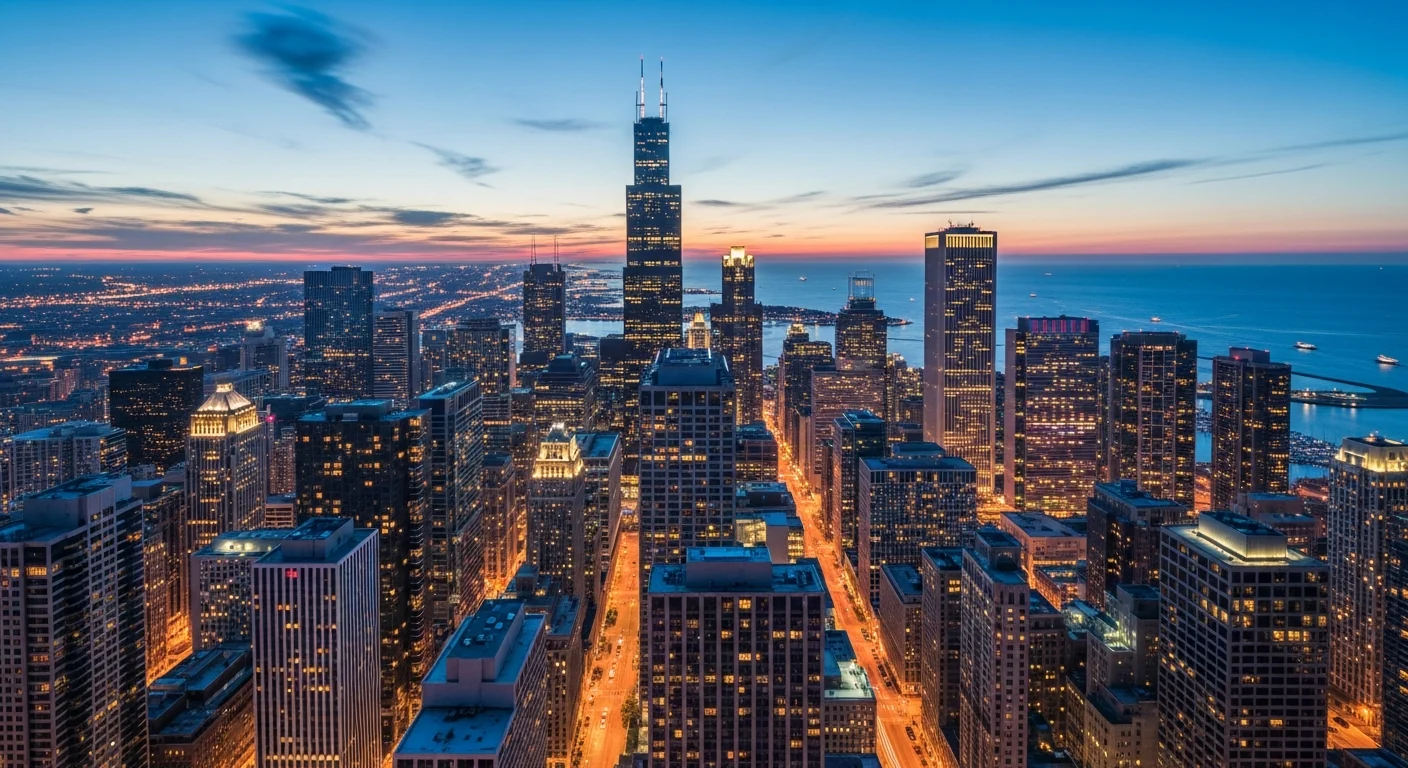
Chicago's Green Social Housing model pairs a city-backed nonprofit developer with private partners and aims for permanently affordable units.
What happened
Chicago's Green Social Housing program is moving from policy to construction. The City Council approved the ordinance creating the program in May 2025 on a 30 to 18 vote, and construction on the first Green Social Housing development is planned for 2026, according to the city and reporting from Block Club Chicago and WTTW.
The program establishes a city-backed nonprofit developer to build and hold mixed-income housing. The city has described Chicago as the first major U.S. city to implement this particular model for producing permanently affordable units.
How the model works
At the center is a newly created nonprofit, the Residential Investment Corporation, or RIC, which operates independently of the Department of Housing. RIC forms joint ventures with private developers who want to use the financing tool and retains a majority ownership stake during construction and after a building stabilizes.
The financing comes from $135 million drawn from the mayor's Housing and Economic Development bond. The design intent, as described by the city, is that profits from these developments are reinvested into future projects or used to deepen affordability rather than distributed to private owners.
The affordability structure
Under the model, a minimum of 30 percent of each development's units are kept permanently affordable for households earning up to 80 percent of area median income, with the remaining units rented at market rate. The mixed-income blend is meant to let the affordable rents stay in place over time without requiring continuous new city subsidy.
That 'permanent' framing is the distinguishing feature supporters point to. Rather than affordability that expires after a set number of years, the ownership structure is designed to hold the affordable units long term. Whether the model delivers that durability at scale is something the first developments will test.
- A minimum of 30 percent of units permanently affordable to households up to 80 percent of area median income.
- Remaining units at market rate to support the building's finances.
- A city-backed nonprofit, RIC, retains majority ownership in joint ventures with private developers.
The debate
The split council vote reflects a genuine policy disagreement. Supporters see a tool to add affordable housing without the recurring subsidy that traditional programs require, and they value keeping public ownership in the deal. Skeptics question the city's capacity to act as a long-term owner and operator, and the financial discipline required to recycle profits into new projects as intended.
Because the first development is only reaching construction in 2026, the track record is still ahead. We were not able to confirm the specific sites, unit counts, or delivery dates for the initial projects this early, so treat any project-level detail as preliminary until the city publishes it.
What it means for owners
For most individual owners, Green Social Housing is not a program you apply to the way you would the ADU portal; it is a city development model rather than a homeowner benefit. Its relevance is indirect but real. New mixed-income developments can shape rents, demand, and the trajectory of the blocks around them, which matters if you own nearby.
If a Green Social Housing project lands in or near your neighborhood, the practical move is to watch how it affects local supply and comparable rents over time rather than to assume an immediate value swing in either direction. For owners deciding whether to hold or sell, this is one more piece of the neighborhood picture worth tracking, not a reason to act on its own.
Sources
- City of Chicago, Chicago City Council Passes Mayor Johnson's Landmark Green Social Housing Ordinance (May 2025)
- Block Club Chicago, Mayor Johnson's Green Social Housing Plan Passes City Council (May 7, 2025)
- WTTW News, City Council Votes 30-18 to Greenlight Mayor's New Approach to Building Affordable Housing in Chicago (May 7, 2025)
- Crain's Chicago Business, Green Social Housing ordinance going up for vote in Chicago
Common questions
What is Green Social Housing?
It is a Chicago program, created by a 2025 ordinance, that uses a city-backed nonprofit developer to build and hold mixed-income housing. It is funded with $135 million from a city bond, and construction on the first development is planned for 2026.
How affordable are the units?
Under the model, at least 30 percent of each development's units are kept permanently affordable for households up to 80 percent of area median income, with the rest rented at market rate to support the building's finances.
Can a homeowner apply for this program?
No. Green Social Housing is a city development model, not a homeowner benefit program. Its effect on individual owners is indirect, through new supply and activity in a neighborhood.
Own property near a new development
Curious how nearby projects could affect your home's value or your timing. Our team can give you a straight read on your block.
Get a cash offerThis page is general information and market commentary, not legal, tax, or investment advice. Programs and figures change; confirm at the source. Image is illustrative.