
Policy & Programs
Chicago's Citywide ADU Program Is Now Live
The expanded ordinance ends a nearly seven-decade limit on new coach houses and basement units across much of the city. The Department of Housing reported more than 30 applications in the first 12 hours.
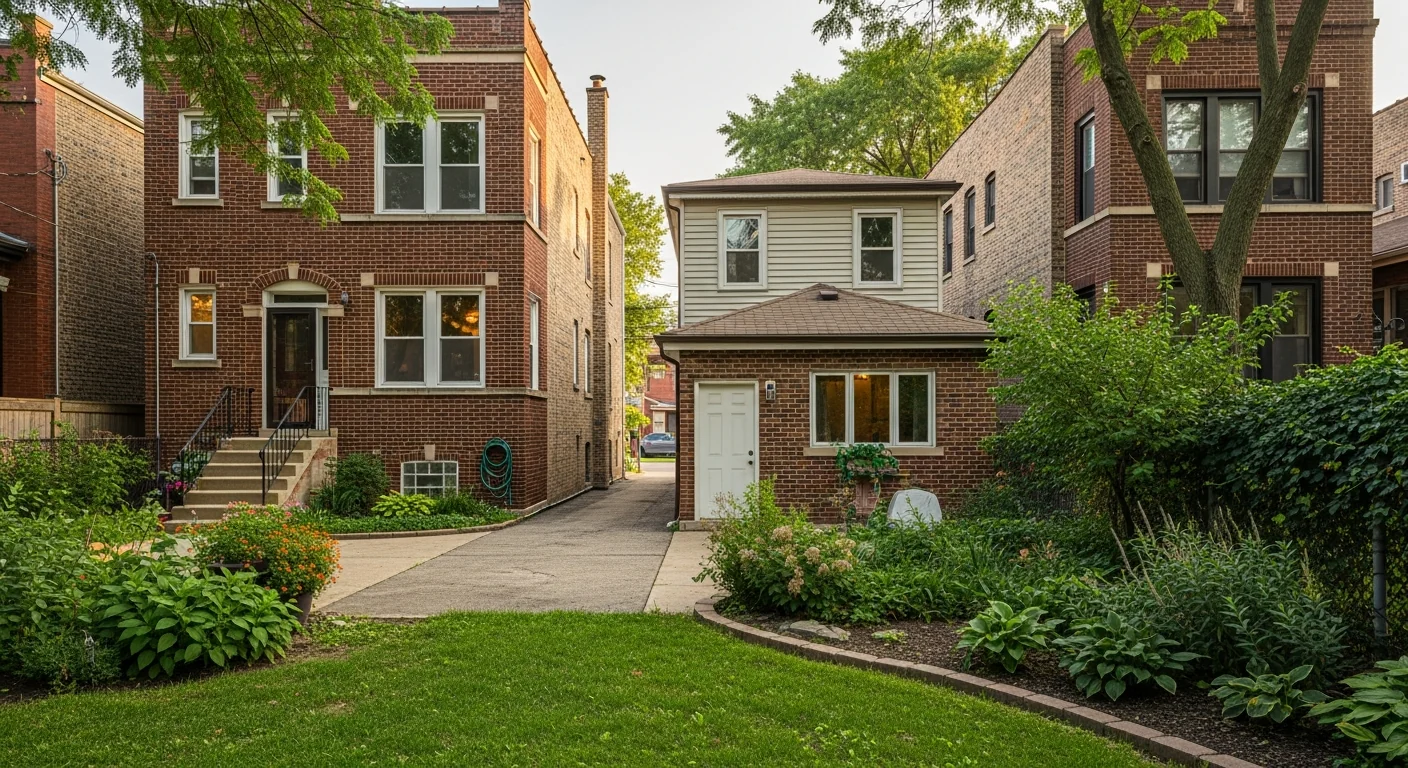
The city says more than 320,000 parcels are now eligible for an additional dwelling unit, up from roughly 116,000 under the old pilot.
What happened
On April 1, 2026, Chicago's expanded Additional Dwelling Unit ordinance took effect and the city's online application portal opened. The Department of Housing reported receiving more than 30 applications in the first 12 hours after launch, according to the city's announcement marking the program going live.
The change converts what had been a five-area pilot into something close to a citywide allowance. The city says the ordinance more than doubles the number of eligible parcels, from roughly 116,000 under the pilot to more than 320,000 now. An Additional Dwelling Unit, in the city's terms, is either a 'conversion unit' built inside an existing structure (an attic, basement, or attached space) or a detached 'coach house' in the rear yard.
Where units are allowed by right
Under the ordinance, ADUs are now permitted by right in all multi-unit residential districts and in certain business and commercial zoning districts, outside the downtown core. The city reports that single-family residential zoning is also covered in 34 wards, where local alderpersons opted in.
That ward distinction is the practical catch for owners of single-family-zoned homes. Whether a bungalow block qualifies depends on whether the local alderperson opted the ward in, not on the citywide rule alone. The Department of Housing, led by Commissioner Lissette Castaneda, points owners to the dedicated ADU website and its interactive eligibility map as the first stop to confirm a specific address.
- By right: multi-unit residential districts and certain business and commercial districts citywide, outside downtown.
- Conditional: single-family-zoned parcels, eligible in the 34 wards that opted in, per the city.
- First step: check the address on the city's interactive eligibility map before planning anything.
How the application works
The city describes a two-stage process. An owner first submits an ADU pre-certification application through the Department of Housing to confirm the parcel and project qualify. Once that approval is in hand, the owner then applies for a building permit through the Department of Buildings.
The city directs residents with technical issues to email the ADU program inbox. Because the portal is new, owners should expect the application experience and processing times to settle over the program's early months. We were not able to independently confirm typical approval timelines this early in the rollout, so treat any timeline estimate as preliminary.
The affordability and use rules to know
The ordinance carries conditions that change the math for larger projects. Owners adding two or more new units face an affordability requirement on a share of those units, and new ADUs may not be operated as short-term rentals. Owners should confirm the current affordability percentage, income limits, and term directly on the city's ADU page before committing to a design, because those specifics can be updated as the program matures.
The short-term-rental prohibition is firm in the ordinance language reported at launch: a new ADU is meant for a long-term tenant or for family use, not nightly stays.
What it means for owners
For owners who already hold the land, this is the headline: the most expensive ingredient in adding rental income, the lot itself, is already in your name. A legal basement unit or a rear coach house can produce rent or house an aging parent or adult child without buying more property. That is the core of why the city frames this as a wealth and affordability tool at once.
The honest caveats are construction cost, permitting time, and the ward question. Before assuming a unit pencils out, confirm the address on the eligibility map, get a contractor estimate, and understand the affordability requirement if you plan more than one new unit. Owners who do that homework are the ones most likely to end up with an income-producing asset rather than a stalled project. If you are weighing whether to add a unit or simply sell as-is, it is worth running both paths before you commit.
Sources
- City of Chicago, Mayor Brandon Johnson, Ald. Bennett Lawson Celebrate Launch of ADU Expansion Ordinance (April 2026)
- City of Chicago Department of Housing, Additional Dwelling Unit (ADU) Program
- Block Club Chicago, City Program For New Coach Houses, Basement Units Is Live. Check If Your Property Is Eligible (April 1, 2026)
- The Daily Line, ADU legalization ordinance to go into effect, city prepares to launch application process
- WTTW News, City Council Lifts Ban on Coach Houses and Granny Flats, But Gives Alderpeople Final Say (Sept 25, 2025)
Common questions
When did Chicago's expanded ADU program start?
The expanded Additional Dwelling Unit ordinance took effect April 1, 2026, and the city's online application portal opened the same day. The Department of Housing reported more than 30 applications in the first 12 hours.
How many properties are eligible now?
The city reports more than 320,000 parcels are eligible, up from roughly 116,000 under the prior pilot. Multi-unit and certain commercial districts are covered by right, and single-family zoning is included in the 34 wards that opted in. Confirm any specific address on the city's eligibility map.
Can a new ADU be used as a short-term rental?
No. The ordinance prohibits operating a new ADU as a short-term rental. The unit is intended for long-term tenants or family use.
Wondering whether to add a unit or sell as-is
Talk to our team about your lot or building and we will help you compare adding an ADU against a straightforward sale.
Get a cash offerThis page is general information and market commentary, not legal, tax, or investment advice. Programs and figures change; confirm at the source. Image is illustrative.