
Neighborhoods
Austin and the West Side: Where Investment Is Landing
The West Side neighborhood of Austin remains a focus of Chicago's place-based investment strategy. In 2026, that strategy is showing up in concrete development sites and corridor projects.
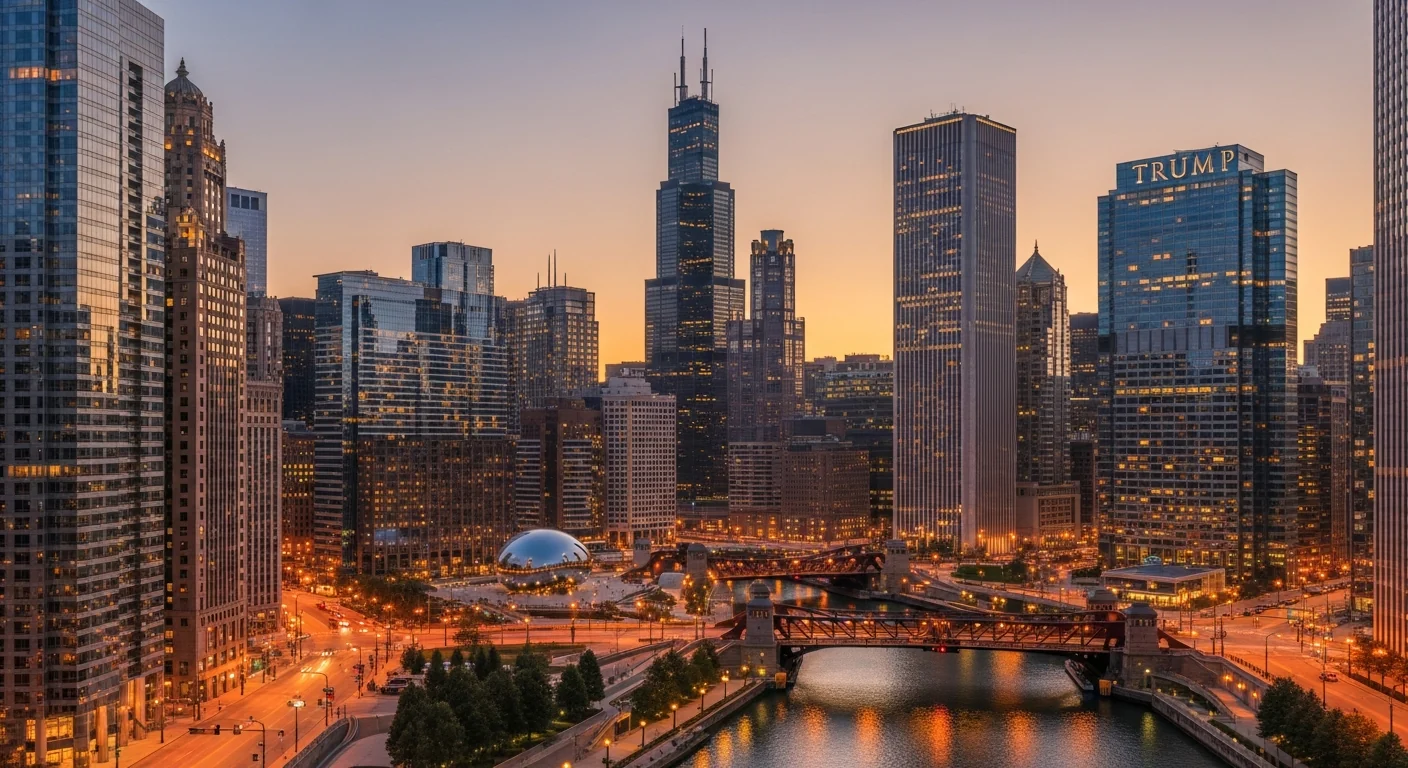
Austin's Chicago Avenue stretch, branded the Soul City Corridor, is a priority area under the city's INVEST South/West initiative.
What happened
Chicago's INVEST South/West initiative continues to channel public and partner investment into ten historic South and West Side neighborhoods, and the West Side community of Austin remains one of its priority areas. In 2026, that activity is visible in specific sites: the city has highlighted a 2.6-acre parcel in Austin available for redevelopment as townhomes and multi-family buildings near the Laramie Green Line station, described as one of the largest contiguous development sites on the far West Side.
The initiative directs investment into commercial corridors and housing across the selected neighborhoods. In Austin, the priority corridor runs along Chicago Avenue, a stretch the community has branded the Soul City Corridor, per the city's INVEST South/West materials.
How INVEST South/West works
INVEST South/West is a place-based strategy that concentrates city departments, community organizations, corporate partners, and philanthropy on a defined set of neighborhoods rather than spreading resources thin. The city has described directing hundreds of millions in public funding into the program's communities, layered on top of already-planned infrastructure and program spending.
The goals, as the city frames them, are to revitalize commercial corridors, improve transportation, and build affordable housing, with the broader aim of attracting private development that follows the public commitment. Separately, in April 2026 the city announced a $300 million round of affordable housing projects spanning neighborhoods from the North to South Side, signaling continued housing investment beyond any single corridor.
- A place-based approach concentrating resources on ten South and West Side neighborhoods, Austin among them.
- Focus areas: commercial corridors, transit, and affordable housing.
- Austin's priority stretch is the Chicago Avenue Soul City Corridor.
The honest record
The initiative has drawn both praise and criticism. Reporting from Crain's Chicago Business and others has noted that the program got off to a slower start than its ambitions implied, with some projects taking years to move from announcement to groundbreaking. That is the realistic backdrop for any owner reading headlines about West Side investment.
So the right frame is momentum with patience. Public commitment to corridors like Soul City is real and ongoing, but the pace from plan to finished building is measured in years, not months. We flag the slow-start history because it tempers, without erasing, the investment story.
Why owners are watching the West Side
Austin and the surrounding West Side carry the fundamentals that draw long-term interest: a deep stock of classic brick homes and two-flats, transit access including the Green Line, and relatively accessible prices compared with the North Side. When public investment concentrates on a corridor, it can support nearby property values and the case for holding.
At the same time, West Side recovery has historically been uneven, with strong pockets next to blocks that move more slowly. The presence of a flagship project nearby does not lift every parcel equally, which is why the local, block-level picture matters more than the neighborhood headline.
What it means for owners
If you own on the West Side, the steady direction of public investment is a reason for cautious optimism about the long-term trajectory, especially near priority corridors and transit. It is not, by itself, a reason to expect a quick jump in your home's value, given the program's measured pace.
The practical step is to ground any decision in your specific block and recent comparable sales rather than the broad investment narrative. If you are weighing whether to sell now or hold for the corridor's longer arc, a current valuation tied to your exact location, combined with an honest view of the development timeline, is the way to decide. Owners near active sites in particular benefit from getting that read before assuming the upside has already arrived.
Sources
- City of Chicago, INVEST South/West Home
- City of Chicago, INVEST South/West: Austin
- Block Club Chicago, City To Invest $300 Million In 15 Affordable Housing Projects From North To South Side (April 1, 2026)
- Crain's Chicago Business, Chicago mayor's Invest South/West initiative gets slow start
- Civic Federation, What is the City of Chicago's INVEST South/West Initiative?
Common questions
What is INVEST South/West?
It is a Chicago place-based investment strategy concentrating city, corporate, and philanthropic resources on ten South and West Side neighborhoods, including Austin. It focuses on commercial corridors, transit, and affordable housing.
What is the Soul City Corridor?
It is the community name for the priority stretch of Chicago Avenue in Austin that INVEST South/West targets for commercial revitalization.
Has the investment quickly raised home values?
Not uniformly. The initiative has been reported to move slowly from announcement to completed projects, and West Side recovery has been uneven block to block. Treat it as long-term potential rather than an immediate value jump, and check comparable sales for your specific property.
Own a home on the West Side
Want a straight read on what your Austin or West Side property is worth today, before assuming the upside has arrived. Our team can help.
Get a cash offerThis page is general information and market commentary, not legal, tax, or investment advice. Programs and figures change; confirm at the source. Image is illustrative.