
Op-ed
Where Chicago Real Estate Investors Are Heading in 2026
Chicago capital is fanning out in 2026, toward the collar counties and the long-overlooked South and West sides. Here is our honest read on where the real opportunity is and where the story is running ahead of the numbers.
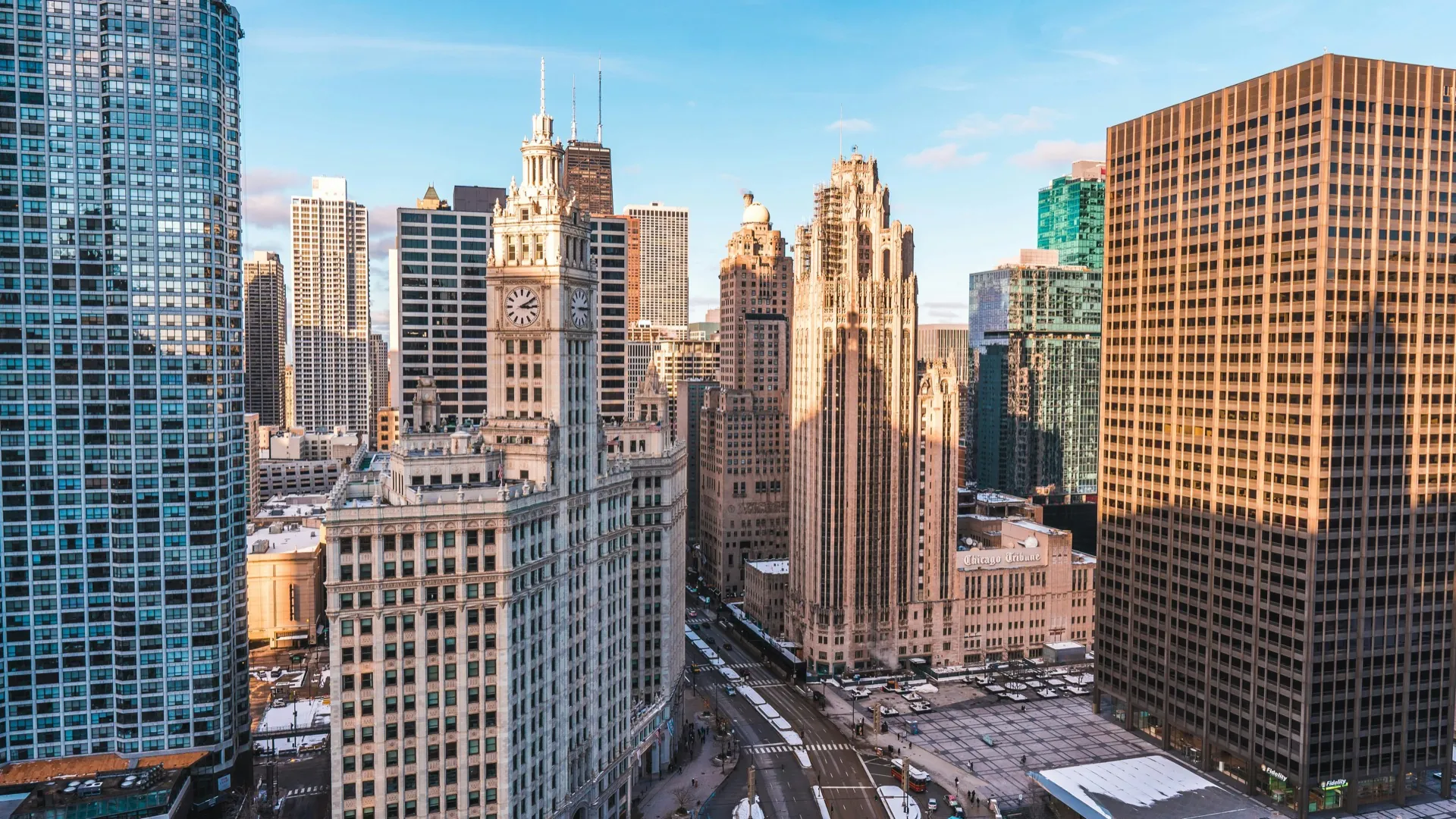
The map investors are actually drawing in 2026
Every year someone declares the next hot Chicago neighborhood, and every year the truth is messier than the headline. So we want to be straight with you about what we are seeing on the ground in 2026, and just as important, where we think the data does not yet support the excitement. We are investors and advisors who work alongside other investors and wholesalers, so this is an opinion grounded in deals and numbers, not a sales pitch.
The big picture first. The nine county Chicago metro keeps shedding residents to other states while international arrivals and births roughly offset the loss, so the region is close to flat overall. The Census Bureau's 2025 estimates show Illinois lost more than 40,000 people to other states, with population holding only because of immigration and natural increase (see the U.S. Census Bureau 2025 county and metro estimates). In a flat region, location and execution matter more than a rising tide. That single fact shapes everything below.
The collar counties are quietly winning the migration story
If you want to know where households are actually moving with their own feet rather than where headlines point, watch the collar counties. Kendall County gained the most domestic in migration of any Illinois county in 2025, adding roughly 1,276 residents, and McHenry County added about 1,494 from domestic moves, even as most of the state lost population to other states (per the Illinois Policy Institute analysis of Census data). That is people voting for newer housing stock, schools, and space.
The catch is price. Kendall County's median sale price was around 378,000 dollars in early 2025, not a discount (see Redfin's Kendall County market page). So the collar county thesis, in our view, is a buy and hold and new construction play for patient capital, not a deep value flip. The migration is real. The bargain is not. Anyone selling you a collar county as cheap is selling you the migration headline without the price tag attached.

The South and West sides are where the value math still works
For investors chasing yield rather than appreciation, the honest answer in 2026 keeps pointing back into the city, to the South and West sides. Chicago's overall median sale price hit roughly 380,000 dollars in May 2026, up about 5 percent year over year (per Redfin's Chicago market data), yet entire South and West side corridors trade far below that. With about 60 percent of Chicago households renting and rents rising in the mid single digits, two to four unit buildings in neighborhoods like Bronzeville, South Shore, Avondale, and parts of Logan Square can pencil to rental yields well above what coastal markets offer (see Steadily's 2026 Chicago market overview).
Here is our opinion, stated plainly. The opportunity on the South and West sides is in cash flow and value add, not in betting on rapid price appreciation. In a region that is flat on population, you make your money on the buy and on the rent roll, not on a hoped for sale three years out. We dig into how to do this without harming the block in our piece on West and South side investing done right.
Where we think the hype is running ahead of the data
We would be doing you no favors if we only listed winners. A few cautions, offered as opinion because the 2026 data is still thin in places.
First, treat any single neighborhood crowned the next big thing with suspicion. In a flat region, hot is usually a story about a handful of blocks, not a whole community, and the averages can hide that. Second, be skeptical of appreciation projections for the South and West sides specifically. The recovery there has been slower and more volatile than on the North Side lakefront, and we have not seen 2026 evidence that this reversed. Third, the south suburbs deserve their own caveat, which we treat separately.
- Hot neighborhood lists often describe a few blocks, not a whole community, so verify block by block.
- Appreciation forecasts for the South and West sides remain uncertain in 2026; underwrite to cash flow, not to a future sale.
- Collar county affordability is overstated; you are buying migration and stability, not a discount.
- Any pro forma that depends on rents climbing every year is a forecast, not a fact.

The south suburbs are a separate, harder trade
Investors keep flooding the south suburbs because the sticker prices are the lowest in the region, and we understand the appeal. But the affordability there is tied to some of the heaviest effective property tax burdens in the state, which can quietly wreck a pro forma if you underwrite the purchase price and ignore the tax bill. We laid out that tension in detail in our take on the south suburbs opportunity and responsibility.
Our view is that the south suburbs can work, but only for investors who price the tax reality honestly and plan to hold and maintain, not strip and flip. If a deal only works because you assumed the tax bill would behave, it does not work. That is not pessimism. It is the same discipline we apply everywhere.
Our bottom line for 2026
If we had to compress it: the collar counties are winning the people, the city's South and West sides are winning the yield math, and the south suburbs are a real but unforgiving trade that punishes lazy underwriting. None of these is a passive bet in a region this flat. Each rewards local knowledge, patient capital, and a willingness to actually improve what you buy.
We are happy to share our read on a specific neighborhood, parcel, or strategy, including the parts that argue against a deal. If you are weighing where to put capital this year, or want a candid second opinion before you commit, that conversation is exactly the kind of thing we think is worth having.
Sources
- U.S. Census Bureau, 2025 Population Estimates for Metro, Micro Areas and Counties (2026)
- Illinois Policy Institute, More than half of Illinois counties suffer outmigration (2025)
- Redfin, Kendall County IL Housing Market (accessed 2026)
- Redfin, Chicago IL Housing Market (accessed 2026)
- Steadily, Chicago Real Estate Market Overview 2026
- Census Bureau via Yahoo News, Immigrants drove population growth in the Chicago area and Cook County (2025)
Thinking about where to invest in Chicago
Get a candid, data grounded read on a neighborhood, parcel, or strategy, including the case against a deal when there is one.
Talk strategy with usFrequently asked questions
Which Chicago area is growing fastest in 2026
By domestic in migration, the collar counties lead, with Kendall County gaining the most residents of any Illinois county in 2025. But growth and bargain are not the same thing, since collar county prices are not low. Confirm current figures with the Census Bureau and local listing sites before acting.
Are the South and West sides good for investors right now
In our opinion they offer the best yield math in the city because prices sit well below the citywide median while rental demand is strong. The key is to underwrite to cash flow, not to expected appreciation, which remains uncertain on the South and West sides in 2026.
Why are the south suburbs cheaper than other Chicago areas
A major driver is unusually high effective property tax rates relative to home value, which suppress prices but can strain a rental pro forma. Always confirm a specific parcel's tax bill with the Cook County Treasurer before you buy.
This article is our opinion and general information, not legal, tax, or investment advice; verify current prices, tax bills, migration figures, and rules with official sources and your own advisors.
Join the conversation
Loading comments...