
Market analysis
Why Chicago is leading the country in home price growth
Chicago topped every major US metro for annual home price growth in March 2026 even as the national market nearly flatlined. We read the Cotality and Realtor.com numbers and explain the tight-inventory standoff behind them.
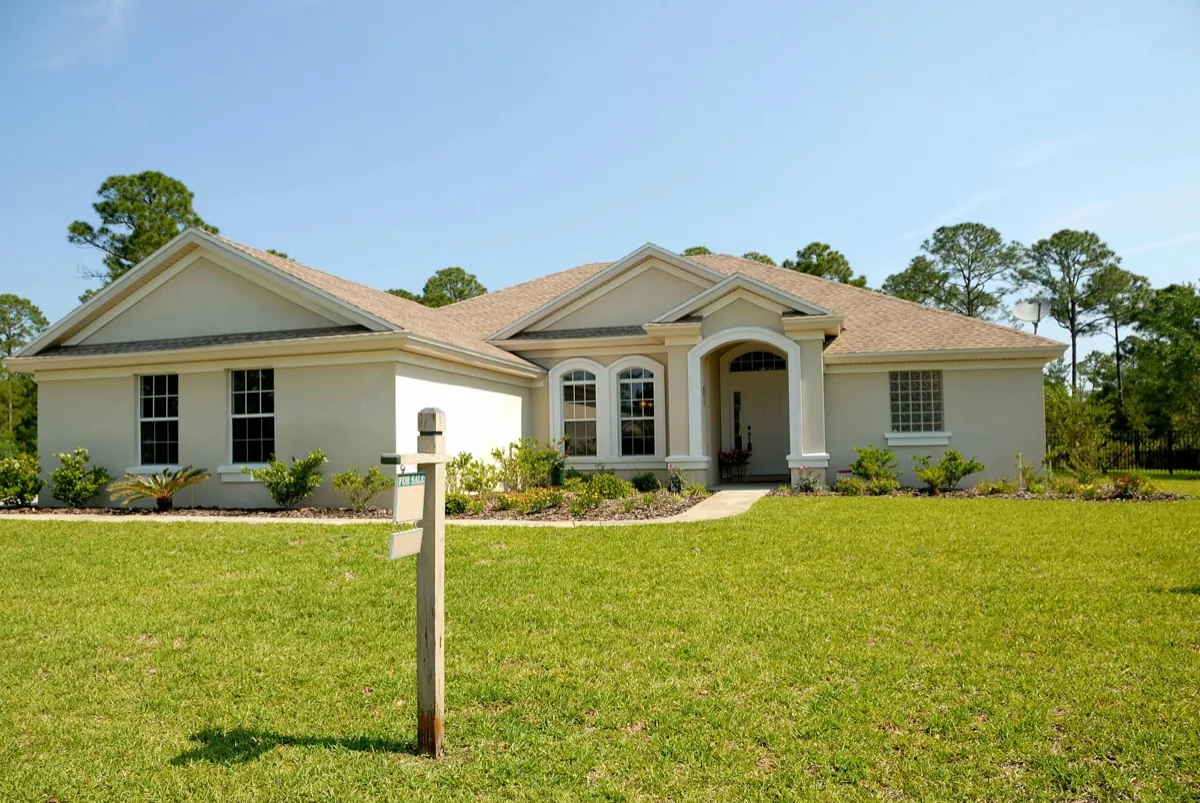
Chicago is now the price-growth capital of the country
For years the story about Chicago was that prices grew slower here than almost anywhere else. That story has flipped. According to the S&P Cotality Case-Shiller index for March 2026, reported by John Yellig for Chicago Agent Magazine, Chicago posted 6.1 percent annualized home price growth, up from about 5 percent in February, the strongest of any major US metro tracked.
The national picture could not be more different. Annual home price growth across the country slowed to just 0.66 percent in March, a near standstill. On a month-over-month basis Chicago rose about 2.2 percent while the nation managed roughly 0.7 percent. New York held the second spot at about 4 percent year over year, so Chicago is not just leading, it is leading by a clear margin.
Our read is that this is not a fluke month. It is the visible result of a supply shortage that has been building here for a couple of years, finally showing up at the top of the national leaderboard.
Tight inventory is doing the heavy lifting
Prices do not climb 6 percent in a metro this large without a supply problem underneath. Realtor.com data reported in early June 2026 shows Chicago active listings down 25.2 percent year over year to roughly 3,129, with a median list price near $379,900, up about 2.7 percent.
Two other numbers in that same data tell you how firm the market is. Only about 8.3 percent of Chicago listings carried a price cut, far below the national share, and the median home sat roughly 34 days before going under contract. When a quarter of last year's inventory is simply gone and the homes that remain are barely discounting, prices have nowhere to go but up.
We would be candid that listing counts bounce around month to month and a single monthly snapshot is not a trend. But the direction here lines up with the Cotality price data and with what we see on the ground, which is why we trust the signal rather than dismissing it.

The buyer-seller standoff, explained
The most useful framing came from Cotality itself. As Thom Malone, the firm's principal economist, put it, buyers are rejecting current price tags but sellers refuse to offer steep discounts, and the result is a standoff. We think that is exactly right, and it explains why Chicago can feel simultaneously hot and stuck.
A standoff is a stalemate with prices held high. Sellers are not panicking because so few homes are for sale that demand still concentrates on every good listing. Buyers are not capitulating because affordability is stretched and they do not want to overpay. Neither side blinks, transaction volume stays modest, and the price level holds firm or grinds higher.
The practical takeaway is that this market rewards realism on both sides. A seller who prices to the actual comparable sales wins. A buyer who is financed and decisive on the right home wins. The people who lose are the seller chasing a number above the comps and the buyer waiting for a discount that the data says is not coming.
- Inventory down about 25 percent year over year, so good listings draw concentrated demand.
- Only around 8 percent of listings cut price, so sellers are holding firm.
- Median 34 days on market, faster than the national pace, so well-priced homes move.
What it means if you are selling
This is one of the strongest seller backdrops Chicago has seen in years, but strong does not mean automatic. The standoff dynamic means buyers are scrutinizing price, so a home listed above the comparable sales can still sit while the headlines stay hot. The advantage goes to owners who price to real recent sales and present the home well.
If you own a property that needs work, sits in a transitioning block, or simply no longer fits your life, the scarcity of inventory is working in your favor right now. Fewer competing listings means more attention on yours. We would rather see you use this window deliberately than assume a hot market forgives a high number.
If you want a straight read on where your specific home fits in this standoff, that is the conversation we have every day. Our calculators can help you sanity-check the math before you decide.

What it means if you are buying
Buyers should go in clear-eyed. With listings down a quarter and price cuts rare, the leverage that buyers had in slower years is mostly gone in Chicago. Waiting for a broad price drop is a bet against the data, because the national 0.66 percent figure is a national average, not a Chicago forecast, and Chicago is running far ahead of it.
That does not mean overpay. It means be ready. The buyers who succeed in a standoff are pre-approved, disciplined about the comps, and quick to act on the right home without panicking into the wrong one. Our first-time buyer resources and investor resources speak to both ends of that spectrum.
Our honest view is that Chicago's relative affordability versus the coasts is part of why it is leading now, and that affordability is precisely what is drawing demand into a thin market. The squeeze is real, but so is the value, and a disciplined buyer can still do well here.
How we read the rest of 2026
We do not expect the standoff to break suddenly. The supply shortage that pushed Chicago to the top of the price-growth table is structural, not seasonal, and it will not resolve in a few months. As long as inventory stays roughly a quarter below last year, the pressure on prices stays upward even if volume stays modest.
We will be honest that home-price forecasts a year out are uncertain and no one should plan around a precise prediction. What is knowable today is the current setup, a leading metro with scarce supply and firm prices, and that is what should drive decisions now.
If you own a Chicago property and are weighing your options, reach out for a candid, data-grounded read on what your home is actually worth in this market.
Sources
- Chicago Agent Magazine, Cotality: Chicago leads US in home-price growth (John Yellig), May 27 2026
- Cotality, Spring starts with sluggish home price growth (Case-Shiller March 2026), May 2026
- S&P Cotality Case-Shiller Index Reports Annual Gain in March 2026 (PR Newswire), May 2026
- FRED, S&P Cotality Case-Shiller IL-Chicago Home Price Index (CHXRSA), accessed June 2026
- Realtor.com Chicago, IL housing market data, accessed June 2026
- Illinois REALTORS Market Stats, accessed June 2026
Want to know what your Chicago home is worth in this standoff?
We will give you a candid, data-grounded read on your specific property and a no-pressure cash offer if it fits.
Get your offerFrequently asked questions
Is Chicago really leading the US in home price growth?
Yes. The S&P Cotality Case-Shiller index for March 2026 showed Chicago at about 6.1 percent annualized growth, the strongest of any major US metro tracked, while national growth slowed to roughly 0.66 percent.
Why are Chicago prices rising while the national market is flat?
A supply shortage. Realtor.com data shows Chicago active listings down about 25.2 percent year over year, with only around 8.3 percent of listings cutting price, so scarce inventory keeps prices firm even as national growth stalls.
What is the buyer-seller standoff in Chicago?
Cotality economist Thom Malone described it as buyers rejecting current prices while sellers refuse steep discounts. The result is a stalemate with prices held high, modest sales volume, and well-priced homes still moving in about 34 days.
This article is general market commentary and opinion based on cited public data, not financial, investment, or real estate advice for any specific transaction.
Join the conversation
Loading comments...